
Academic Year 2026-27 Blocks Away
BLOCK AWAY & ABROAD BASICS
APPLICATION WINDOW
The primary application window for all 2026-2027 Academic Year Blocks Away is January 29 through March 15, 2026, following our official launch event at the Study Away Fair on Thursday, January 29 (12:00 p.m. to 2:00 p.m. in the Worner Campus Center). All students who apply during this window will be considered for an aid award (See Billing & Finances page for details). All applications during the application window will be reviewed for aid eligibility. Students will be notified of their aid award by March 31, 2026.
SECONDARY WINDOW FOR BLOCKS 7 AND 8
While most programs close to new applications following the spring application window, Block 7 and 8 programs do offer a second application period which runs from March 16, 2026 through the end of Block 1 the following Fall. However, it should be noted that it is possible for Block 7 or 8 courses to fill and close to new applications during the initial spring period, so application in the primary window the prior spring is recommended.
LATE APPLICATIONS
Students who wish to apply for a block away after the application window has closed should consult with the program's faculty leader to determine if there remain available spaces in the program for a late application. Late applicants can be placed on an aid waitlist, but if a student is in need of financial aid it is highly recommended that applications be completed by the initial deadline.
APPLYING TO MULTIPLE PROGRAMS
Unlike the one-application policy for Partner-Led Semesters, with Blocks Away it is possible to apply to multiple programs. Students who do this should notify Global Education of their final decision to accept admission into their preferred program no later than the earliest Withdrawal deadline of the programs they have selected. Failure to notify Global Education of your desire to decline acceptance into a program by the program's deadline can lead to program fees being billed to the student.
For aid-eligible students who apply to multiple programs, aid will be awarded for the most expensive program to which the student has been accepted. If the student opts to join a different program the aid award can be transferred at the same percentage of cost coverage, not the same dollar amount. All aid-eligible students may be awarded an aid package only for 2 off-campus blocks (summer or academic year) in their four-year CC career.
All Applications must be completed on Summit. Once accepted into the program, students will receive an email with instructions for forms and waivers to complete. Upon completion of these forms and confirmation of acceptance of their seat in the block away course on Summit, the Off-Campus Program Consent of Instructor (COI) Code needed to register for the course on Banner will be provided.
PROGRAM FEES
Colorado College Block Away & Abroad programs are funded through a program fee. This fee typically covers on-site expenses for the students and faculty such as lodging, group meals, transportation, program excursions, guest speakers, group activities, and international health and travel insurance. The program fee may also include additional funds for student meals, however, most meals are funded through a refund of one block of the campus meal plan, provided to students in the weeks before departure.
Program fees do not typically cover airfare to/from the program location.
FINANCIAL AID
To assist with the costs of a block away/abroad, Colorado College has a pool of aid specifically designed to cover up to 90% of the expense of a block away, including airfare, for students who qualify for need-based aid. All students who apply to, and are accepted in, a Block Away will automatically be reviewed for aid eligibility. If eligible, a student can earn an aid award between 20%-90% of the estimated total cost for participation in the program. The aid pool is limited, so not all students who might qualify are guaranteed aid for any particular program. It is very important to apply during the primary Application Window for each given program to maximize the potential to obtain an aid award as late applicants are often unable to obtain an award. Aid-eligible students may receive an award towards two Off-Campus Blocks (summer or academic year) during their CC careers.
For students who apply during the primary application window, aid eligibility is reviewed in the 2 weeks following the application deadline (March 15), and students should expect to get a notification by April 1. For students who applied after the deadline, the aid review typically occurs once per block, so it can take a month to receive notification.
For detailed information about Block Away Program Fees and Aid Awards, please visit our Billing & Finances for AY Blocks Away Page.
Each Academic Year Off-Campus Block has a set Student Withdrawal Deadline. Withdrawal charges for Academic Year Blocks are defined by the withdrawal date as it relates to this deadline as well as the program departure date.
- Withdrawal prior to the published deadline for the program will incur no charges.
- Post-deadline withdrawal will incura charge of 25% of the program fee.
- The withdrawal charge increases to 75% of the program fee for any withdrawal occurring within the block prior to the scheduled off-campus block. For example, a student who withdraws from a Block 4 course during Block 3 will incur a 75% charge, while those who withdrew in Block 2 would have a 25% fee and those who withdrew prior to the program's deadline would have no charge billed to them.
Students may have a portion of the late withdrawal charges waived with appropriate documentation that the withdrawal was attributable to medical necessity.
WITHDRAWAL DATES
- Block 1 or 2 Programs: May 1
- Block 3 or 4 Programs: August 1
- Block 5 or 6 Programs: October 1
- Block 7 or 8 Programs: December 1
To withdraw from a block away: Return to your application on Summit and use the blue "Request Cancellation" button to submit your withdrawal. Email, in-person, or phone notification of the faculty leader is not sufficient to initiate a formal withdrawal. Failing to register for the Block Away course on Banner or using Drop/Add to remove the course on Banner is also not an official withrawal. Only throught the Summit process will students be withdrawn from the program and its financial responsibilities.
If you have never obtained a passport before and received need-based financial aid from CC, you may apply for an Academic Opportunities Grant to help cover some of those expenses required to participate in a CC study abroad program.
It is highly recommended that as you apply for any Block Away you ensure that your passport is valid no less than 6 months beyond the end date of your program. Many countries do not allow access if a passport is within its final 6 months of validity, so a renewal may be needed if your passport will expire within 6 months of the program's closure. If your passport is due for renewal during this time frame, we recommend seeking the renewal immediately as passport processing times have been increasing over the past few years.
DO NOT DELAY IF YOU NEED TO OBTAIN OR RENEW A PASSPORT: Times required to obtain a new passport or to renew a passport have grown considerably over the past year. It now can take 2 months or longer to obtain a renewal or a new passport with standard service. Even expedite service can take up to several weeks to process. If you need a new passport or need to renew your passport, we recommend that you do so immediately, even before application and approval for a block away.
UNITED KINGDOM & EUROPEAN UNION REQUIREMENTS
The United Kingdom (England, Scotland, Wales, Northern Ireland) and the European Union now have an electronic travel authorization process for all U.S. passport holders , as well as for holders of other passports that do not require a visa for short stays. Obtaining the UK's "ETA" document or the EU's "ETIAS" document will be required for travel to or through these nations, including for simple flight layovers and transfers within one of these nation's airports.
More information on this travel requirement for transit through or travel to the UK or the EU, as well as instructions on how to obtain the ETA (and the ETIAS when it becomes effective) are available on our Predeparture Planning webpage.
As you are likely aware, there are many locations around the world where U.S. passport holders may enter for 90 days without a visa, but where residents and citizens of other nations are required to have a visa. This is something to be cognizant of as you enroll in a Block Abroad that might take you outside of the United States.
Please note you may have additional costs and requirements not common for U.S. citizens. These include:
- You may be required to obtain a visa for entry to the program’s host country when U.S. citizens do not. Visas commonly require paying a fee.
- You may need to schedule visa appointments through consular offices outside of Colorado and travel independently to these appointments.
- You may need to apply well in advance to obtain a visa appointment. Please do not wait until the final weeks before departure to begin this process.
- Financial aid does not cover any of these costs connected to applying for these visas for any block off-campus programs.
For assistance with any visa-related questions tied to a Block Abroad, please schedule an appointment with Kellee Fletcher in Global Education
If you believe you will need financial support in order to obtain the necessary visa for a program to which you have been accepted, please contact Global Education. Funds are available (on a limited basis) from Global Education. You can discuss this, as well as the visa process with Ms. Fletcher.
UNITED KINGDOM & EUROPEAN UNION REQUIREMENTS
The United Kingdom (England, Scotland, Wales, Northern Ireland) and the European Union now require an electronic travel authorization process for travelers whose nation of origin does not require an entry visa. This includes Canada, Mexico, many European nations, and a variety of other nations that have previously only needed a passport to enter Europe as a tourist. Obtaining the UK's "ETA" document or the EU's "ETIAS" document will be required for travel to or through these nations, even for transferring flights in one of their airports.
If your country is not one where visa-free entry is possible to the UK or to the EU, then this new requirement does not affect you. You would still be required to obtain an entry visa as outlined above.
If you normally can enter the UK or the EU without a visa, then the ETA/ETIAS is now almost certainly required for you to enter. More information on this travel requirement for transit through or travel to the UK or the EU, as well as instructions on how to obtain the ETA (and the ETIAS when it becomes effective) are available on our Predeparture Planning webpage.
PROGRAM WITHDRAWAL DEADLINES
- Programs in Blocks 1 or 2: May 1st
- Programs in Blocks 3 or 4: August 1st
- Programs in Blocks 5 or 6: October 1st
- Programs in Blocks 7 or 8: December 1st
2026-2027 OFF CAMPUS BLOCKS AWAY FAIR
The full roster of Off-Campus Blocks for 2026-2027 will be published in January, 2026. The Study Away Fair where all Blocks, along with nearly 30 Semester Away partners, will be held in January as well. The Fair is the best opportunity to explore all the study away opportunities for the next year, including all faculty-led academic year off-campus blocks.2026 STUDY AWAY FAIR
January 29, 2026
12:00 p.m. - 2:00 p.m.
Worner Center Lobby
show all / hide all
Fall 2026 Blocks Away & Abroad
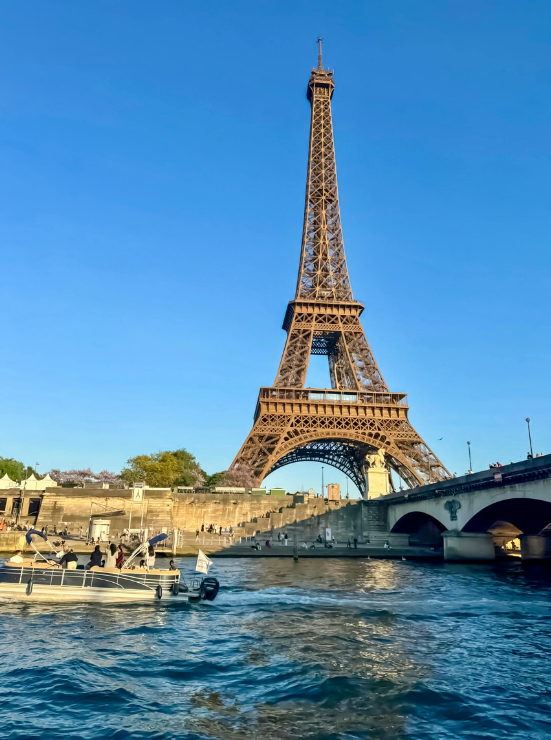 This course focuses on creative critical inquiry that fosters polymathic thinking—the ability to connect ideas across diverse disciplines and apply creative problem-solving to real-world issues in local and global contexts. In this course, we will adapt a contemporary issue and then focus on the interplay between intuition, embodied insights, and formal logic to construct new possibilities. In this iteration of the course, Students will be directly involved in a collaborative project with the Center for Educational Research and Innovation (CERI) at the Organisation for Economic Co-operation and Development (OECD) in Paris. The course will conclude with active participation in the 8th Summit on Creativity in Education at UNESCO in Paris.
This course is open to all majors across the college.
Course Full Name: Creative Critical Inquiry
Faculty Leader(s): Prof. Mike Taber
Prerequisites: Junior or Senior Standing (COI)
Major Requirements Met: Contact Education for more information on the application of this course towards their major program(s).
College Requirements Met: CP & EPG (Both pending approval)
Course Location: Paris, France
Heightened Physical & Psychological Requirements for All Study Away: Study Away or Abroad can be a very different experience than an on-campus course, requiring both physical and mental adjustments which may not be typical for your on-campus experience. This includes requirements for physical activity such as more extensive physical movement (walking, touring, extended sedentary time during travel, etc.), requirements to manage luggage, often on uneven terrain such as cobblestone streets or buildings without elevators, or locations with limited medical facilities, potential extremes of weather and temperature. Housing options are also significantly different from an on-campus experience. Some programs will use family homestays while others will require students live in pairs, triples, and quads. Travel is also inherently a stressful alteration to your normal routines, with greater flexibility, adaptability and resilience required, whether it is dealing with distinct cultures, language differences, feelings of “otherness” or lack of belonging, or simply greater ambiguity and unfamiliarity with surroundings. We recommend that all students consider these realities of study away and abroad as they consider programs. Below we will list any known expectations which the faculty have identified for their specific course.
Expectations for Study on this Program: This course requires use of public transportation in Paris, which may not necessarily have ADA access.
Course Fee: $4,900
Included in Fee: Fee includes all on-site lodging, transportation, group meals, excursions & group activities. Not included in the fee is airfare to/from Paris or individual meals. All students who have a full meal plan at Colorado College will receive a one-block refund of their meal fund with those funds available for on-site meal costs.
Application Process: Apply on Summit, within the Global Education option. The main application window for this program is January 29-March 15, 2026. Students who apply during the window will be reviewed for eligibility for an aid award to cover up to 90% of the program fee and anticipated airfare costs. Students who apply and/or are accepted into the program after March 16 may also qualify for aid, but aid is limited and may not be available to students accepted into this program after the March 15 deadline.
Withdrawal Deadline: Students accepted to this program may withdraw by May 1, 2026 with no financial commitment to the program. Late withdrawals will be billed either 25% or 75% of the program fee, depending on the date of withdrawal. See our Billing & Finance page for details.
What does it mean to lead creatively inside one of America's most recognized brands? This immersive block places students at Old Navy's San Francisco headquarters, where they learn directly from company leaders about the intersection of design, culture, and how teams evolve. As AI reshapes the fashion industry, Old Navy's distinctly human creative voice becomes a competitive advantage — and students explore how to evolve and express it in new ways. Working on real-world projects, including contributing to the development of leadership curriculum for Old Navy's Talent Management team, students from all disciplines discover how creativity, identity, and bold risk-taking drive both brand and business forward.
Course Number: GS222
Course Full Name: Creative Leadership at Old Navy: Culture & The Human Edge
Faculty Leader(s): Prof. Lora Louise Brady
Prerequisites: None
Major Requirements Met: None
College Requirements Met: None
Course Location: On-Campus & San Francisco @ Old Navy
Heightened Physical & Psychological Requirements for All Study Away: Study Away or Abroad can be a very different experience than an on-campus course, requiring both physical and mental adjustments which may not be typical for your on-campus experience. This includes requirements for physical activity such as more extensive physical movement (walking, touring, extended sedentary time during travel, etc.), requirements to manage luggage, often on uneven terrain such as cobblestone streets or buildings without elevators, or locations with limited medical facilities, potential extremes of weather and temperature. Housing options are also significantly different from an on-campus experience. Some programs will use family homestays while others will require students live in pairs, triples, and quads. Travel is also inherently a stressful alteration to your normal routines, with greater flexibility, adaptability and resilience required, whether it is dealing with distinct cultures, language differences, feelings of “otherness” or lack of belonging, or simply greater ambiguity and unfamiliarity with surroundings. We recommend that all students consider these realities of study away and abroad as they consider programs. Below we will list any known expectations which the faculty have identified for their specific course.
Course Fee: TBD
Included in Fee: Fee includes round-trip airfare, all on-site lodging, transportation, group meals, excursions & group activities.
Application Process: Apply on Summit at this link. Applications are open now, with rolling admissions.
Withdrawal Deadline: Students accepted to this program may withdraw by July 1, 2026 with no financial commitment to the program. Late withdrawals will be billed either 25% or 75% of the program fee, depending on the date of withdrawal. See our Billing & Finance page for details.
 An introductory study of Freud and Kohut and the transformation of their theories in contemporary psychoanalysis. Students will read the works of and meet with distinguished psychoanalysts who will present new approaches to understanding psychoanalytic theory and therapeutic action. We will also explore how psychoanalysis can be used in the interpretation of culture, especially art and theater. 1 unit. Taught in part in Chicago at the Chicago Psychoanalytic Institute.
Course Full Name: Contemporary Psychoanalysis
Course Number: PH263 or CO200
Faculty Leader(s): Prof. John Riker and Prof. Marcia Dobson
Prerequisites: None
Major Requirements Met: TBD
College Requirements Met: AIM: Analysis & Interpretation of Meaning or SHB: Societies & Human Behavior
Course Location: Chicago, IL
Heightened Physical & Psychological Requirements for All Study Away: Study Away or Abroad can be a very different experience than an on-campus course, requiring both physical and mental adjustments which may not be typical for your on-campus experience. This includes requirements for physical activity such as more extensive physical movement (walking, touring, extended sedentary time during travel, etc.), requirements to manage luggage, often on uneven terrain such as cobblestone streets or buildings without elevators, or locations with limited medical facilities, potential extremes of weather and temperature. Housing options are also significantly different from an on-campus experience. Some programs will use family homestays while others will require students live in pairs, triples, and quads. Travel is also inherently a stressful alteration to your normal routines, with greater flexibility, adaptability and resilience required, whether it is dealing with distinct cultures, language differences, feelings of “otherness” or lack of belonging, or simply greater ambiguity and unfamiliarity with surroundings. We recommend that all students consider these realities of study away and abroad as they consider programs. Below we will list any known expectations which the faculty have identified for their specific course.
Expectations for Study on this Program:
Course Fee: $3,325 for all students using program housing. Students with a permanent residence in Chicago can inquire about living at home and a reduced program fee.
Included in Fee: Fee includes all on-site lodging, transportation, group meals, excursions & group activities. Not included in the fee is airfare to/from Chicago or individual meals. All students who have a full meal plan at Colorado College will receive a one-block refund of their meal fund with those funds available for on-site meal costs.
Application Process: Apply on Summit, within the Global Education option. The main application window for this program is January 29-March 15, 2026. Students who apply during the window will be reviewed for eligibility for an aid award to cover up to 90% of the program fee and anticipated airfare costs. Students who apply and/or are accepted into the program after March 16 may also qualify for aid, but aid is limited and may not be available to students accepted into this program after the March 15 deadline.
Withdrawal Deadline: Students accepted to this program may withdraw by July 1, 2026 with no financial commitment to the program. Late withdrawals will be billed either 25% or 75% of the program fee, depending on the date of withdrawal. See our Billing & Finance page for details.
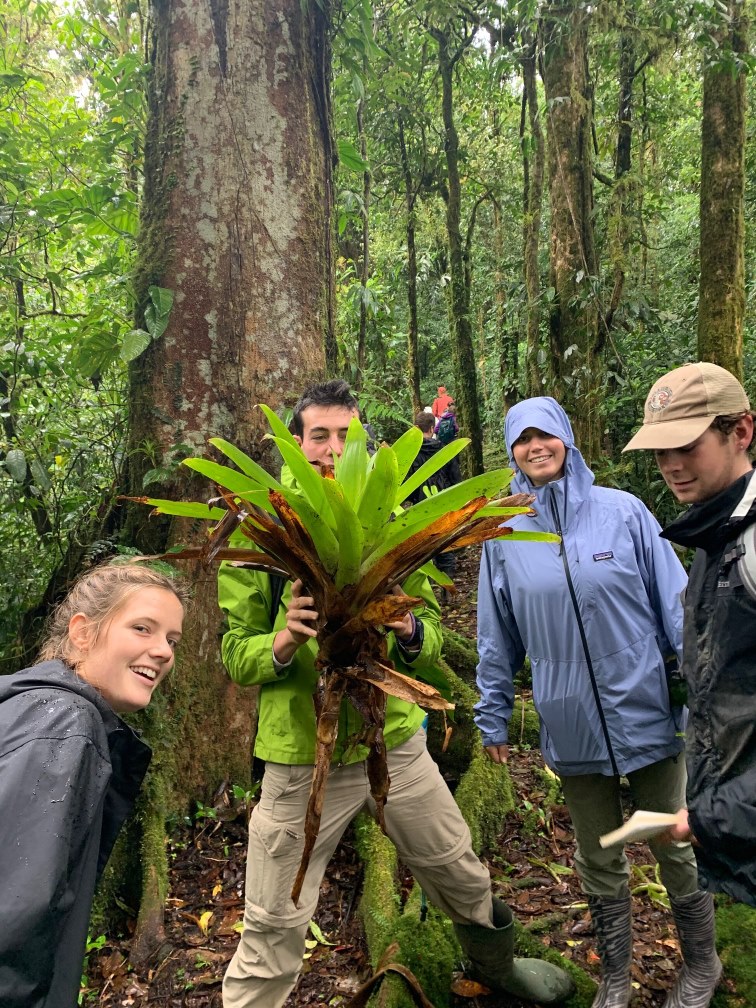 The analysis of distributions, abundances, and interrelationships of organisms, populations, communities, and ecosystems with emphasis on tropical rain forests, cloud forests and agriculture. The course includes daily 4+ hours of fieldwork. It is taught in primary and secondary forests and coffee farms in the Monteverde Area of Costa Rica.
Course Full Name: Ecology & The Environment
Course Number: EV209
Faculty Leader(s): Prof. Miro Kummel
Prerequisites: EV128: Introduction to Global Climate Change
Major Requirements Met: TBD
College Requirements Met: None
Course Location: Costa Rica (Field Stations)
Heightened Physical & Psychological Requirements for All Study Away: Study Away or Abroad can be a very different experience than an on-campus course, requiring both physical and mental adjustments which may not be typical for your on-campus experience. This includes requirements for physical activity such as more extensive physical movement (walking, touring, extended sedentary time during travel, etc.), requirements to manage luggage, often on uneven terrain such as cobblestone streets or buildings without elevators, or locations with limited medical facilities, potential extremes of weather and temperature. Housing options are also significantly different from an on-campus experience. Some programs will use family homestays while others will require students live in pairs, triples, and quads. Travel is also inherently a stressful alteration to your normal routines, with greater flexibility, adaptability and resilience required, whether it is dealing with distinct cultures, language differences, feelings of “otherness” or lack of belonging, or simply greater ambiguity and unfamiliarity with surroundings. We recommend that all students consider these realities of study away and abroad as they consider programs. Below we will list any known expectations which the faculty have identified for their specific course.
Expectations for Study on this Program: The course takes place in two remote field stations that are operated by Bosque Eterno de los Ninos. The San Gerardo Field Station is 1.5 hour hike from the nearest road. It does not have cell service or internet connection (it has radio connection for medical emergencies, and an off road vehicle for emergency transportation). It only has cold water. It has electricity, full kitchen with a staff, 3 hot meals a day plus two snacks. It is very isolated but the location is conducive to building a strong community --- like "Camp San Gerardo" ... it experiences significant heavy downpours and fog (it is in the transition between rainforests and cloud forests). There are no mosquitos, temperature is in 70's (F), there are some venomous snakes but abundance is very low ... you have to look hard to find them. Time to medical care is approximately 1.5-2.5 hours depending on weather conditions.
Pocosol Field station is accessible by road, it has hot water and internet. It is at a lower elevation and has higher density of venomous snakes. time to medical care is approximately 1-1.5 hours (30 min to drive out to the back country and 30+ minutes on local roads to reach care)
Course Fee: $2,900
Included/Not Included in Fee: Fee includes all on-site lodging, transportation, group meals, excursions & group activities, and international health & travel insurance. Not included in the fee is airfare to/from Costa Rica or individual meals. All students who have a full meal plan at Colorado College will receive a one-block refund of their meal fund with those funds available for on-site meal costs.
Application Process: Apply on Summit, within the Global Education option. The main application window for this program is January 29-March 15, 2026. Students who apply during the window will be reviewed for eligibility for an aid award to cover up to 90% of the program fee and anticipated airfare costs. Students who apply and/or are accepted into the program after March 16 may also qualify for aid, but aid is limited and may not be available to students accepted into this program after the March 15 deadline.
Withdrawal Deadline: Students accepted to this program may withdraw by July 1, 2026 with no financial commitment to the program. Late withdrawals will be billed either 25% or 75% of the program fee, depending on the date of withdrawal. See our Billing & Finance page for details.
 What does it mean to gaze? In this course, while living in Florence Italy, we will examine psychological theories and research about emotions, embodiment and aesthetics as we gaze upon frescoes, paintings, portraiture and sculpture. Among the questions we will ask include: How do expressive features in art works of the Renaissance tell a story about the emergence of human personality and individuality? How is power depicted and embodied in art works and our own gazing? Can embodied aesthetics be practiced for our own well-being and to resist the gaze that objectifies and dehumanizes?
Course Full Name: Gazing in Italy
Course Number: PY130
Faculty Leader(s): Prof. Tomi-Ann Roberts
Prerequisites: None
Major Requirements Met: This course can be used as an elective within the Psychology major.
College Requirements Met: CP: Creative Process
Course Location: Florence, Italy
Heightened Physical & Psychological Requirements for All Study Away: Study Away or Abroad can be a very different experience than an on-campus course, requiring both physical and mental adjustments which may not be typical for your on-campus experience. This includes requirements for physical activity such as more extensive physical movement (walking, touring, extended sedentary time during travel, etc.), requirements to manage luggage, often on uneven terrain such as cobblestone streets or buildings without elevators, or locations with limited medical facilities, potential extremes of weather and temperature. Housing options are also significantly different from an on-campus experience. Some programs will use family homestays while others will require students live in pairs, triples, and quads. Travel is also inherently a stressful alteration to your normal routines, with greater flexibility, adaptability and resilience required, whether it is dealing with distinct cultures, language differences, feelings of “otherness” or lack of belonging, or simply greater ambiguity and unfamiliarity with surroundings. We recommend that all students consider these realities of study away and abroad as they consider programs. Below we will list any known expectations which the faculty have identified for their specific course.
Expectations for Study on this Program: This course lists no additional heightened expectations.
Course Fee: $4,425
Included/Not Included in Fee: Fee includes all on-site lodging, transportation, group meals, excursions & group activities, and international health & travel insurance. Not included in the fee is airfare to/from Italy or individual meals. All students who have a full meal plan at Colorado College will receive a one-block refund of their meal fund with those funds available for on-site meal costs.
Application Process: Apply on Summit, within the Global Education option. The main application window for this program is January 29-March 15, 2026. Students who apply during the window will be reviewed for eligibility for an aid award to cover up to 90% of the program fee and anticipated airfare costs. Students who apply and/or are accepted into the program after March 16 may also qualify for aid, but aid is limited and may not be available to students accepted into this program after the March 15 deadline.
Withdrawal Deadline: Students accepted to this program may withdraw by July 1, 2026 with no financial commitment to the program. Late withdrawals will be billed either 25% or 75% of the program fee, depending on the date of withdrawal. See our Billing & Finance page for details.
show all / hide all
Spring 2027 Blocks Away & Abroad
 On-site investigations of the ecology and biogeography of Andean mountain forests and Patagonian steppe and studies of the ecology of several marine vertebrate species at the Atlantic coast. Students will read and present original literature, meet with local scientists at their study sites, and develop hypotheses that could be tested in the ecosystems we visit.
Course Full Name: Ecology & Biogeography of Patagonia
Course Number: BE390
Faculty Leader(s): Prof. Brian Linkhart
Prerequisites: Junior or Senior Standing and satisfactory completion of either EV209 or BE208. This course requires completion of BE389, offered during Half-Block in January 2027, prior to departure.
Major Requirements Met: Elective within the OBE Major program.
College Requirements Met: None
Course Location: Bariloche and Puerto Madryn (ARG)
Course Fee: $6,500
Included/Not Included in Fee: Fee includes all on-site lodging, transportation, group meals, excursions & group activities, and international health & travel insurance. This program does include group flights to/from Buenos Aires as well as transfer flights within Argentina. All students who have a full meal plan at Colorado College will receive a one-block refund of their meal fund with those funds available for on-site meal costs.
Application Process: Apply on Summit, within the Global Education option. The main application window for this program is January 29-March 15, 2026. Students who apply during the window will be reviewed for eligibility for an aid award to cover up to 90% of the program fee and anticipated airfare costs. Students who apply and/or are accepted into the program after March 16 may also qualify for aid, but aid is limited and may not be available to students accepted into this program after the March 15 deadline.
Withdrawal Deadline: Students accepted to this program may withdraw by October 1, 2026 with no financial commitment to the program. Late withdrawals will be billed either 25% or 75% of the program fee, depending on the date of withdrawal. See our Billing & Finance page for details.
 This course uses Melbourne as both subject and classroom, embedding students in one of the Southern Hemisphere's most dynamic cities while developing their skills in cultural journalism and creative nonfiction. Based at Victoria University's city campus, we will explore Melbourne's status as a UNESCO City of Literature through multiple lenses: its thriving independent music ecosystem, its reputation as the sporting capital of Australia, and its internationally recognized food culture. A central theme will be examining how Melbourne's cultural institutions and public spaces engage with Indigenous histories and rights, providing students with a valuable comparative perspective on how different settler-colonial societies approach questions of recognition and reconciliation.
Students will work as a collaborative editorial team to produce a series of written works that collectively map Melbourne's cultural geography. Assignments will include profiles of local artists and athletes, critical reviews of performances and restaurants, and reported essays on the city's engagement with its Aboriginal heritage. Through daily writing workshops, field reporting assignments, and conversations with local cultural producers and critics, students will develop sophisticated tools for cultural analysis while building a portfolio of work that captures Melbourne's distinctive character. The final product will be a curated digital guide that offers future visitors a nuanced portrait of this complex and creative city.
Course Full Name: Topics in Creative Writing: Writing Melbourne
Course Number: EN286
Faculty Leader(s): Prof. Steven Hayward
Prerequisites: None
Major Requirements Met: Elective course within English or Creative Writing majors.
College Requirements Met: CP: Creative Process
Course Location: Melbourne, Australia
Heightened Physical & Psychological Requirements for All Study Away: Study Away or Abroad can be a very different experience than an on-campus course, requiring both physical and mental adjustments which may not be typical for your on-campus experience. This includes requirements for physical activity such as more extensive physical movement (walking, touring, extended sedentary time during travel, etc.), requirements to manage luggage, often on uneven terrain such as cobblestone streets or buildings without elevators, or locations with limited medical facilities, potential extremes of weather and temperature. Housing options are also significantly different from an on-campus experience. Some programs will use family homestays while others will require students live in pairs, triples, and quads. Travel is also inherently a stressful alteration to your normal routines, with greater flexibility, adaptability and resilience required, whether it is dealing with distinct cultures, language differences, feelings of “otherness” or lack of belonging, or simply greater ambiguity and unfamiliarity with surroundings. We recommend that all students consider these realities of study away and abroad as they consider programs. Below we will list any known expectations which the faculty have identified for their specific course.
Expectations for Study on this Program: immersion in unfamiliar community settings, housing types unfamiliar to students, or other potentially heightened-stress scenarios which may produce challenges to student mental health.
Course Fee: $4,900
Included/Not Included in Fee: Fee includes all on-site lodging, transportation, group meals, excursions & group activities, and international health & travel insurance. Not included in the fee is airfare to/from Melbourne or individual meals. All students who have a full meal plan at Colorado College will receive a one-block refund of their meal fund with those funds available for on-site meal costs.
Application Process: Apply on Summit, within the Global Education option. The main application window for this program is January 29-March 15, 2026. Students who apply during the window will be reviewed for eligibility for an aid award to cover up to 90% of the program fee and anticipated airfare costs. Students who apply and/or are accepted into the program after March 16 may also qualify for aid, but aid is limited and may not be available to students accepted into this program after the March 15 deadline.
Withdrawal Deadline: Students accepted to this program may withdraw by October 1, 2026 with no financial commitment to the program. Late withdrawals will be billed either 25% or 75% of the program fee, depending on the date of withdrawal. See our Billing & Finance page for details.
 HY410 is an advanced senior seminar on selected topics and themes in historical study and is the first block of a two-block sequence that constitutes the capstone for History majors, and one option for the capstone for interdepartmental majors (Classics, History, Politics; History-Philosophy; History-Political Science).
Course Full Name: History Senior Seminar
Course Number: HY410
Faculty Leader(s): Prof. Jake Smith
Prerequisites: Senior Status, HY399
Major Requirements Met: This course is one option for the History Senior Project within the Major.
College Requirements Met: None
Course Location: Chicago, Illinois
Heightened Physical & Psychological Requirements for All Study Away: Study Away or Abroad can be a very different experience than an on-campus course, requiring both physical and mental adjustments which may not be typical for your on-campus experience. This includes requirements for physical activity such as more extensive physical movement (walking, touring, extended sedentary time during travel, etc.), requirements to manage luggage, often on uneven terrain such as cobblestone streets or buildings without elevators, or locations with limited medical facilities, potential extremes of weather and temperature. Housing options are also significantly different from an on-campus experience. Some programs will use family homestays while others will require students live in pairs, triples, and quads. Travel is also inherently a stressful alteration to your normal routines, with greater flexibility, adaptability and resilience required, whether it is dealing with distinct cultures, language differences, feelings of “otherness” or lack of belonging, or simply greater ambiguity and unfamiliarity with surroundings. We recommend that all students consider these realities of study away and abroad as they consider programs. Below we will list any known expectations which the faculty have identified for their specific course.
Expectations for Study on this Program: This course has no heightened physical or psychological requirements.
Course Fee: $1,200
Included/Not Included in Fee: Fee includes all on-site lodging, transportation, group meals, and all excursions & group activities. Not included in the fee is airfare to/from Chicago or individual meals. All students who have a full meal plan at Colorado College will receive a one-block refund of their meal fund with those funds available for on-site meal costs.
Application Process: Apply on Summit, within the Global Education option. The main application window for this program is January 29-March 15, 2026. Students who apply during the window will be reviewed for eligibility for an aid award to cover up to 90% of the program fee and anticipated airfare costs. Students who apply and/or are accepted into the program after March 16 may also qualify for aid, but aid is limited and may not be available to students accepted into this program after the March 15 deadline.
Withdrawal Deadline: Students accepted to this program may withdraw by October 1, 2026 with no financial commitment to the program. Late withdrawals will be billed either 25% or 75% of the program fee, depending on the date of withdrawal. See our Billing & Finance page for details.
 Introduction to reading Attic Greek, the language of ancient Athens in its political, literary, and philosophical prime. Students will acquire fluency with the language’s grammar and vocabulary, enabling them to read and translate actual Greek literature (including the koine of the New Testament). In unpacking how Attic Greek works, students will simultaneously gain an ability to analyze the grammar of English and other languages. We will also learn about the history of the Greek language and its considerable influence on English’s scientific vocabulary and literature. With CL 101.2 meets the Language Requirement requirement.
Course Full Name: Greek For Beginners
Course Number: CL101
Faculty Leader(s): Prof. Sanjaya Thakur
Prerequisites: None
Major Requirements Met: Fulfills language Req. for Classics Minor and works towards language req. for Classics Major.
College Requirements Met: Fulfills 1 unit of language requirement for CEL/LANG: Critical Engagement through Language
Course Location: Athens, Greece
Heightened Physical & Psychological Requirements for All Study Away: Study Away or Abroad can be a very different experience than an on-campus course, requiring both physical and mental adjustments which may not be typical for your on-campus experience. This includes requirements for physical activity such as more extensive physical movement (walking, touring, extended sedentary time during travel, etc.), requirements to manage luggage, often on uneven terrain such as cobblestone streets or buildings without elevators, or locations with limited medical facilities, potential extremes of weather and temperature. Housing options are also significantly different from an on-campus experience. Some programs will use family homestays while others will require students live in pairs, triples, and quads. Travel is also inherently a stressful alteration to your normal routines, with greater flexibility, adaptability and resilience required, whether it is dealing with distinct cultures, language differences, feelings of “otherness” or lack of belonging, or simply greater ambiguity and unfamiliarity with surroundings. We recommend that all students consider these realities of study away and abroad as they consider programs. Below we will list any known expectations which the faculty have identified for their specific course.
Expectations for Study on this Program: Program features such as immersion in unfamiliar community settings, intensive exploration of identity or cultural difference, housing types unfamiliar to students, limited dietary options, or other potentially heightened-stress scenarios which may produce challenges to student mental health. Though Athens is a cosmopolitain world city, local customs are different. Housing is in apartments and certain comforts normal in the USA might not be available. Mental health services are, generally speaking, hard(er) to access.
Course Fee: $2,950
Included/Not Included in Fee: Fee includes all on-site lodging, transportation, group meals, excursions & group activities, and international health & travel insurance. Not included in the fee is airfare to/from Athens or individual meals. All students who have a full meal plan at Colorado College will receive a one-block refund of their meal fund with those funds available for on-site meal costs.
Application Process: Apply on Summit, within the Global Education option. The main application window for this program is January 29-March 15, 2026. Students who apply during the window will be reviewed for eligibility for an aid award to cover up to 90% of the program fee and anticipated airfare costs. Students who apply and/or are accepted into the program after March 16 may also qualify for aid, but aid is limited and may not be available to students accepted into this program after the March 15 deadline.
Withdrawal Deadline: Students accepted to this program may withdraw by October 1, 2026 with no financial commitment to the program. Late withdrawals will be billed either 25% or 75% of the program fee, depending on the date of withdrawal. See our Billing & Finance page for details.
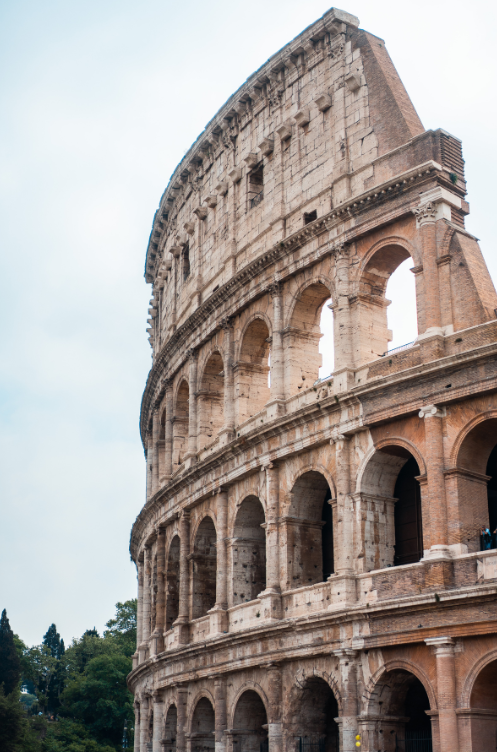 In this course, we will focus on examining the ways in which Montessori, Reggio Emilia, and Waldorf (Steiner) pedagogical models position “the child.” By traveling to Italy, we will explore the histories of the development of these models, as well as how they exist and are promulgated in their contemporary forms. The culminating project of the course, and the reason we are studying outside of the United States, is to position a window to-, a mirror of-, and a magnifying glass onto the ways in which the spirit of these pedagogical models has been interpreted in neoliberal, American schooling to construct a child that is white, non-disabled, and middle to upper middle class. We hope to surface, interrogate, and disrupt constructions of the child in liberal, progressive schooling spaces away from practices that continue to marginalize students of Color with and without disabilities and from working class families, and instead to examine if and how these models can be inclusive and beneficiary to all children in the midst of neoliberal school reform.
Course Full Name: Constructing Childhood in Montessori, Reggio Emilia, and Steiner Schools: Examining the Intersections of Race, Class, and Disability in Progressive Schooling
Course Number: ED350
Faculty Leader(s): Prof. Tina Valtierra & Prof. Nickie Coomer
Prerequisites: None
Major Requirements Met: TBD
College Requirements Met: HP: Historical Perspectives and EPG: Equity & Power: Global Context
Course Location: Rome, Italy
Heightened Physical & Psychological Requirements for All Study Away: Study Away or Abroad can be a very different experience than an on-campus course, requiring both physical and mental adjustments which may not be typical for your on-campus experience. This includes requirements for physical activity such as more extensive physical movement (walking, touring, extended sedentary time during travel, etc.), requirements to manage luggage, often on uneven terrain such as cobblestone streets or buildings without elevators, or locations with limited medical facilities, potential extremes of weather and temperature. Housing options are also significantly different from an on-campus experience. Some programs will use family homestays while others will require students live in pairs, triples, and quads. Travel is also inherently a stressful alteration to your normal routines, with greater flexibility, adaptability and resilience required, whether it is dealing with distinct cultures, language differences, feelings of “otherness” or lack of belonging, or simply greater ambiguity and unfamiliarity with surroundings. We recommend that all students consider these realities of study away and abroad as they consider programs. Below we will list any known expectations which the faculty have identified for their specific course.
Expectations for Study on this Program: This course requires significant walking to explore sites, visit museums, and tour neighborhoods as part of the academic program.
Course Fee: $4,900
Included/Not Included in Fee: Fee includes all on-site lodging, transportation, group meals, excursions & group activities, and international health & travel insurance. Not included in the fee is airfare to/from Rome or individual meals. All students who have a full meal plan at Colorado College will receive a one-block refund of their meal fund with those funds available for on-site meal costs.
Application Process: Apply on Summit, within the Global Education option. The main application window for this program is January 29-March 15, 2026. Students who apply during the window will be reviewed for eligibility for an aid award to cover up to 90% of the program fee and anticipated airfare costs. Students who apply and/or are accepted into the program after March 16 may also qualify for aid, but aid is limited and may not be available to students accepted into this program after the March 15 deadline.
Withdrawal Deadline: Students accepted to this program may withdraw by October 1, 2026 with no financial commitment to the program. Late withdrawals will be billed either 25% or 75% of the program fee, depending on the date of withdrawal. See our Billing & Finance page for details.
 Encounter the history of Christian martyrdom and sainthood in Rome, Italy. Examines the beginnings of martyrdom in the early church, particularly in the context of the Roman Empire, and the legacies of the apostles Peter and Paul as well as the emergence of later saints, especially in the Catholic tradition. Historical study is attentive to ways in which Christian communities construct and memorialize—through literature, art, and space—martyrs and saints. Includes additional cities beyond Rome for day trips/short stays.
Course Full Name: Martyrs and Saints
Course Number: RE200 or HY200
Faculty Leader(s): Prof. Pamela Reaves
Prerequisites: None
Major Requirements Met: RE200: Elective credit in Religion major/minor. HY200: Elective credit in History major/minor
College Requirements Met: HP: Historical Perspectives
Course Location: Rome, Italy
Heightened Physical & Psychological Requirements for All Study Away: Study Away or Abroad can be a very different experience than an on-campus course, requiring both physical and mental adjustments which may not be typical for your on-campus experience. This includes requirements for physical activity such as more extensive physical movement (walking, touring, extended sedentary time during travel, etc.), requirements to manage luggage, often on uneven terrain such as cobblestone streets or buildings without elevators, or locations with limited medical facilities, potential extremes of weather and temperature. Housing options are also significantly different from an on-campus experience. Some programs will use family homestays while others will require students live in pairs, triples, and quads. Travel is also inherently a stressful alteration to your normal routines, with greater flexibility, adaptability and resilience required, whether it is dealing with distinct cultures, language differences, feelings of “otherness” or lack of belonging, or simply greater ambiguity and unfamiliarity with surroundings. We recommend that all students consider these realities of study away and abroad as they consider programs. Below we will list any known expectations which the faculty have identified for their specific course.
Expectations for Study on this Program: immersion in unfamiliar community settings, housing types unfamiliar to students, or other potentially heightened-stress scenarios which may produce challenges to student mental health.
Course Fee: $4,200
Included/Not Included in Fee: Fee includes all on-site lodging, transportation, group meals, excursions & group activities, and international health & travel insurance. Not included in the fee is airfare to/from Rome or individual meals. All students who have a full meal plan at Colorado College will receive a one-block refund of their meal fund with those funds available for on-site meal costs.
Application Process: Apply on Summit, within the Global Education option. The main application window for this program is January 29-March 15, 2026. Students who apply during the window will be reviewed for eligibility for an aid award to cover up to 90% of the program fee and anticipated airfare costs. Students who apply and/or are accepted into the program after March 16 may also qualify for aid, but aid is limited and may not be available to students accepted into this program after the March 15 deadline.
Withdrawal Deadline: Students accepted to this program may withdraw by October 1, 2026 with no financial commitment to the program. Late withdrawals will be billed either 25% or 75% of the program fee, depending on the date of withdrawal. See our Billing & Finance page for details.

In collaboration with Georgetown University Law School Immigration Clinic (Center for Applied Legal Studies - CALS), this Career Catalyst Block course will introduce students to contemporary immigration law and policy emphasizing the issues of immigrant detention and deportation. During the first two weeks of the course at Colorado College, we will consider contemporary sociological work on immigration and review pertinent immigration law and policy concepts required for the project work at Georgetown. Then we will connect theory to practice, spending the last week and one half embedded with CALS where students will be exposed to public interest legal work emphasizing collaboration with policy and community-based organizations (referred to as “movement lawyering”). Learning from and working in partnership with center attorneys and law students affiliated with the center, students will engage in group work and file "pro se" complaints about detention conditions based on interviews with immigrants in detention and research. Students will meet with a number of immigration policy organizations based in Washington D.C., observe immigration court, and meet with local congressional offices if possible. The course will end with final project work while in Washington D.C.
Course Full Name: Movement Lawyering: Immigration Law and Policy Practicum in Washington D.C.
Course Number: GS222
Faculty Leader(s): Prof. Eric Popkin
Prerequisites: COI
College Requirements Met: TBD
Course Location: Course begins on campus then relocates to D.C. for final weeks.
Heightened Physical & Psychological Requirements for All Study Away: Study Away or Abroad can be a very different experience than an on-campus course, requiring both physical and mental adjustments which may not be typical for your on-campus experience. This includes requirements for physical activity such as more extensive physical movement (walking, touring, extended sedentary time during travel, etc.), requirements to manage luggage, often on uneven terrain such as cobblestone streets or buildings without elevators, or locations with limited medical facilities, potential extremes of weather and temperature. Housing options are also significantly different from an on-campus experience. Some programs will use family homestays while others will require students live in pairs, triples, and quads. Travel is also inherently a stressful alteration to your normal routines, with greater flexibility, adaptability and resilience required, whether it is dealing with distinct cultures, language differences, feelings of “otherness” or lack of belonging, or simply greater ambiguity and unfamiliarity with surroundings. We recommend that all students consider these realities of study away and abroad as they consider programs. Below we will list any known expectations which the faculty have identified for their specific course.
Expectations for Study on this Program: Students will be working with immigrant populations and the course can be emotionally draining and intense due to exposure to immigrant detention conditions, individual stories of immigrants in detention which can be intense (sometime violence including sexual/gender based violence is discussed. Students also need to be flexible as it is very likely that conditions will change in the next year and access to detention centers may not be possible. In that case, we will coordinate other projects including more intensive immigration court watch projects, etc
Course Fee: $2,300
Included/Not Included in Fee: Fee includes airfare, on-site lodging, transportation, group meals, excursions & group activities.
Application Process: Apply on Summit, within the FIELD STUDY option. Applications are currently closed but will reopen in Block 1, 2026. Students approved for the program will be reviewed for eligibility for an aid award to cover up to 90% of the program fee and anticipated airfare costs.
Withdrawal Deadline: Students accepted to this program may withdraw by October 1, 2026 with no financial commitment to the program. Late withdrawals will be billed either 25% or 75% of the program fee, depending on the date of withdrawal. See our Billing & Finance page for details.
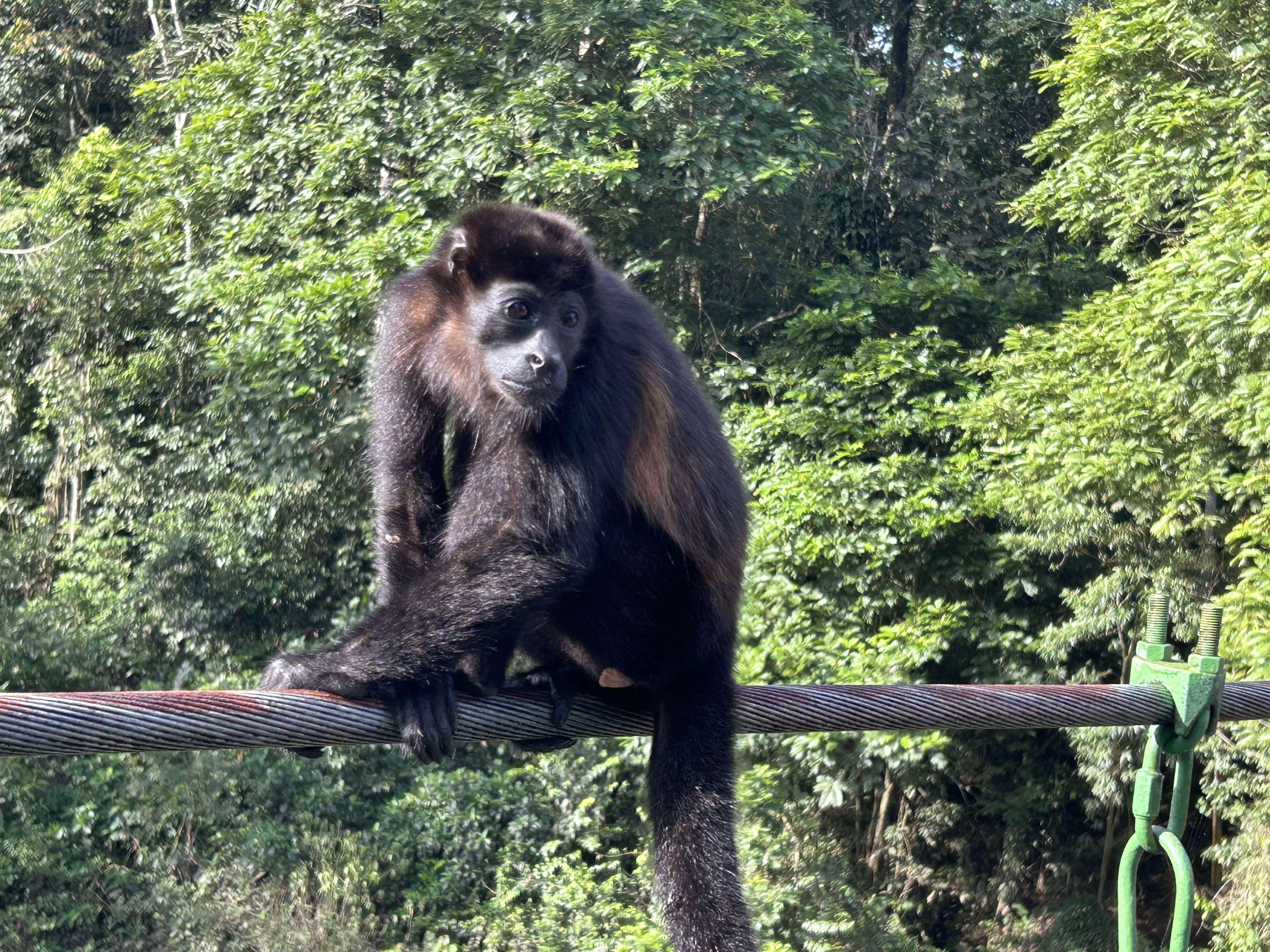 This course examines the successes and challenges of sustainable development in Costa Rica, particularly in the face of climate change. Through discussions with community groups, public officials, and environmentalists throughout the country, students will gain a multifaceted understanding of pressing issues including the politics of forest conservation, the social and environmental impacts of tourism, sustainable agriculture, and urban development. The relationship between the national and local governments, the role of international development aid, and Costa Rica’s contribution to global environmental governance will also be examined. The class will be based out of San José, Costa Rica, with several day and overnight trips to other parts of the country.
Course Full Name: Topics in Environmental Social Science: Sustainable Development, Conservation, and Social Justice in Costa Rica
Course Number(s): EV360 or PS307: Advanced Topics in Political Science
Faculty Leader(s): Prof. Corina McKendry
Prerequisites: EV145, PS236, or consent of instructor.
Major Requirements Met: TBD
College Requirements Met: EP:G--Equity & Power: Global Context (Pending Approval)
Course Location: San Jose, Tamarindo, Monteverde, and Perez Zeledon, Costa Rica
Heightened Physical & Psychological Requirements for All Study Away: Study Away or Abroad can be a very different experience than an on-campus course, requiring both physical and mental adjustments which may not be typical for your on-campus experience. This includes requirements for physical activity such as more extensive physical movement (walking, touring, extended sedentary time during travel, etc.), requirements to manage luggage, often on uneven terrain such as cobblestone streets or buildings without elevators, or locations with limited medical facilities, potential extremes of weather and temperature. Housing options are also significantly different from an on-campus experience. Some programs will use family homestays while others will require students live in pairs, triples, and quads. Travel is also inherently a stressful alteration to your normal routines, with greater flexibility, adaptability and resilience required, whether it is dealing with distinct cultures, language differences, feelings of “otherness” or lack of belonging, or simply greater ambiguity and unfamiliarity with surroundings. We recommend that all students consider these realities of study away and abroad as they consider programs. Below we will list any known expectations which the faculty have identified for their specific course.
Expectations for Study on this Program: The program features such as immersion in unfamiliar community settings, intensive exploration of identity or cultural difference, housing types unfamiliar to students, limited dietary options, or other potentially heightened-stress scenarios which may produce challenges to student mental health. Though mostly staying in dorms and hotels, we do have a short home-stay with families in a small cooperative farming community. Students will be paired (no one will be alone), but the living situation will be quite different than what most students are accustomed to.
Course Fee: $4,250
Included/Not Included in Fee: Fee includes all on-site lodging, transportation, group meals, excursions & group activities, and international health & travel insurance. Not included in the fee is airfare to/from Costa Rica or individual meals. All students who have a full meal plan at Colorado College will receive a one-block refund of their meal fund with those funds available for on-site meal costs.
Application Process: Apply on Summit, within the Global Education option. The main application window for this program is January 20-March 15, 2026. Students who apply during the window will be reviewed for eligibility for an aid award to cover up to 90% of the program fee and anticipated airfare costs. Students who apply and/or are accepted into the program after March 16 may also qualify for aid, but aid is limited and may not be available to students accepted into this program after the March 15 deadline.
Withdrawal Deadline: Students accepted to this program may withdraw by October 1, 2026 with no financial commitment to the program. Late withdrawals will be billed either 25% or 75% of the program fee, depending on the date of withdrawal. See our Billing & Finance page for details.
 What constituted “play” in early modern European culture? Using primary texts and images from the fourteenth to the seventeenth centuries, we’ll ask: How did Renaissance painters and writers depict leisure, games, and fun in daily life? What were the moral, religious, and societal implications of those activities and those stories? What did visual representations of play and games mean for contemporaries in the Renaissance? And what do they mean for us today? The rich collections in New York museums offer a unique opportunity to engage directly with Renaissance visual culture (including paintings, sculpture, metalwork, prints, and tapestries). Within the museum space, we’ll interrogate how the Renaissance is presented to the public, and how elites in the United States framed the European Renaissance as a foundational chapter of an invented narrative of American nationhood. Finally, we’ll engage with the American consumption and manipulation of that heritage in the 20th and 21st centuries – in museums as well as in films, television, Renaissance festivals, and video games. The course draws on interdisciplinary perspectives from history, literature, art, and museum and cultural studies.
 Course Full Name: Art in Context: Playing Games: Encountering the Renaissance in New York Museums
Course Number: AH200, HY200, or MS222
Faculty Leader(s): Prof. Rebecca Tucker & Prof. Tip Ragan
Prerequisites: None
Major Requirements Met: TBD
College Requirements Met: None
Course Location: New York, USA
Heightened Physical & Psychological Requirements for All Study Away: Study Away or Abroad can be a very different experience than an on-campus course, requiring both physical and mental adjustments which may not be typical for your on-campus experience. This includes requirements for physical activity such as more extensive physical movement (walking, touring, extended sedentary time during travel, etc.), requirements to manage luggage, often on uneven terrain such as cobblestone streets or buildings without elevators, or locations with limited medical facilities, potential extremes of weather and temperature. Housing options are also significantly different from an on-campus experience. Some programs will use family homestays while others will require students live in pairs, triples, and quads. Travel is also inherently a stressful alteration to your normal routines, with greater flexibility, adaptability and resilience required, whether it is dealing with distinct cultures, language differences, feelings of “otherness” or lack of belonging, or simply greater ambiguity and unfamiliarity with surroundings. We recommend that all students consider these realities of study away and abroad as they consider programs. Below we will list any known expectations which the faculty have identified for their specific course.
Expectations for Study on this Program: This program lists no heightened expectations.
Course Fee: $3,095
Included/Not Included in Fee: Fee includes all on-site lodging, transportation, group meals, excursions & group activities, and international health & travel insurance. Not included in the fee is airfare to/from Chicago or individual meals. All students who have a full meal plan at Colorado College will receive a one-block refund of their meal fund with those funds available for on-site meal costs.
Application Process: Apply on Summit, within the Global Education option. The main application window for this program is January 20-March 15, 2026. Students who apply during the window will be reviewed for eligibility for an aid award to cover up to 90% of the program fee and anticipated airfare costs. Students who apply and/or are accepted into the program after March 16 may also qualify for aid, but aid is limited and may not be available to students accepted into this program after the March 15 deadline.
Withdrawal Deadline: Students accepted to this program may withdraw by October 1, 2026 with no financial commitment to the program. Late withdrawals will be billed either 25% or 75% of the program fee, depending on the date of withdrawal. See our Billing & Finance page for details.
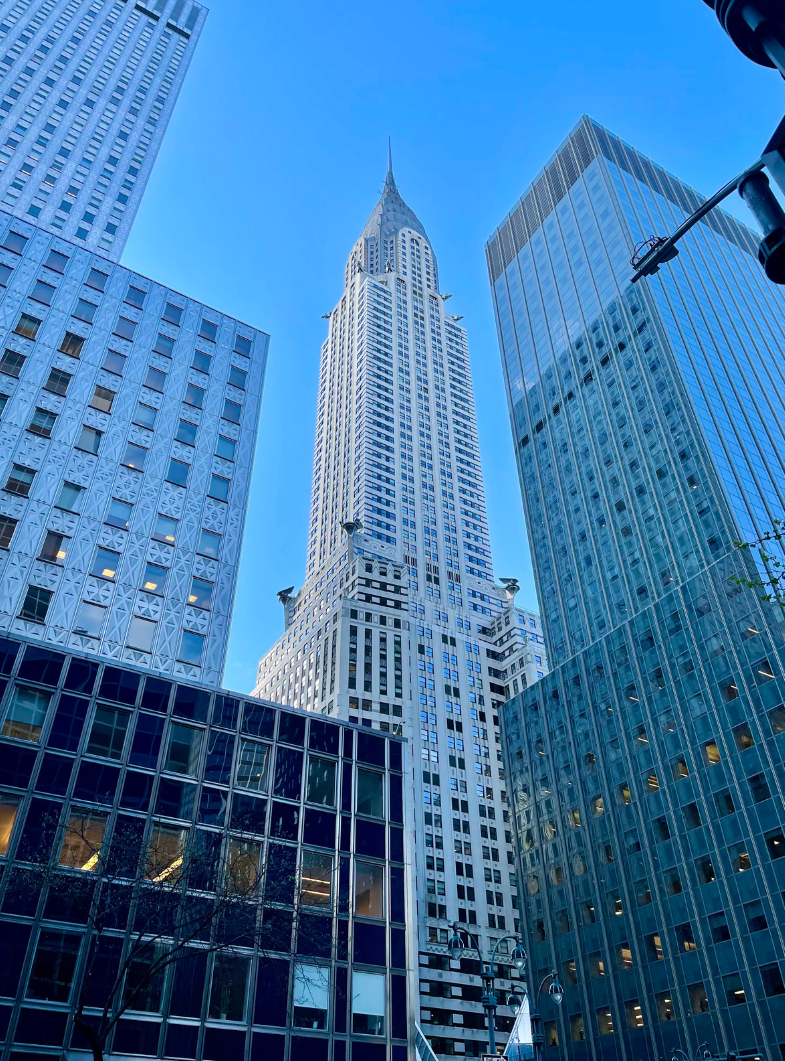
An exploration of New York City throuh a survey of its political history and its representation on film. Excursions include a walking tour of Harlem, a bus tour of Manhattan, a Broadway show, screenings at local theaters, and visits to major museums (Met, Museum of the City of New York, Transit Museum, Tenement Museum), and more.
This course offers an introduction to major topics in the political history of New York City in the modern era, or what we will generally refer to as capitalist modernity. Major advancements in science, technology, transportation, architecture combined with nearly unfettered capitalist growth to build much of the city as we still experience it today. Such “advancements” were built upon the labor, struggle, segregation, and displacement of the city’s majority populations, who were often uncredited for their contributions or blamed as scapegoats for any of the city’s endemic social problems.
We are especially interested in how the city has been imagined throughout the 20th and 21st centuries, often in contradictory or antagonistic ways. The physical landscape of the city and its complex infrastructure cannot be understood separate from such abstract, seemingly immaterial, dimensions of modernist utopianism, capitalist profit motives, ethnic, racial, gender, and sexual oppression/resistance. How the city exists or operates is never wholly separate from how it is imagined, perceived, or interpreted.
Course Full Name: New York: Politics, Film, Culture
Course Number: FM200
Faculty Leader(s): Prof. Scott Krzych
Prerequisites: None
Major Requirements Met: Genre, History, and Theory credit in Film & Media Studies major/minor
College Requirements Met: EPUS: Equity & Power: U.S. Content
Course Location: New York City, USA
Heightened Physical & Psychological Requirements for All Study Away: Study Away or Abroad can be a very different experience than an on-campus course, requiring both physical and mental adjustments which may not be typical for your on-campus experience. This includes requirements for physical activity such as more extensive physical movement (walking, touring, extended sedentary time during travel, etc.), requirements to manage luggage, often on uneven terrain such as cobblestone streets or buildings without elevators, or locations with limited medical facilities, potential extremes of weather and temperature. Housing options are also significantly different from an on-campus experience. Some programs will use family homestays while others will require students live in pairs, triples, and quads. Travel is also inherently a stressful alteration to your normal routines, with greater flexibility, adaptability and resilience required, whether it is dealing with distinct cultures, language differences, feelings of “otherness” or lack of belonging, or simply greater ambiguity and unfamiliarity with surroundings. We recommend that all students consider these realities of study away and abroad as they consider programs. Below we will list any known expectations which the faculty have identified for their specific course.
Expectations for Study on this Program: This program requires significant walking or hiking to explore sites or participate in course activities, including walking tours of studios and neighborhoods. The program also requires specific physical activities that may be a challenge to some students, including but not limited to climbing, swimming, digging or other manual labor, or carrying items that weigh 40 lbs or more.
Course Fee: $4,400
Included/Not Included in Fee: Fee includes all on-site lodging, transportation, group meals, and all excursions & group activities. Not included in the fee is airfare to/from New York or individual meals. All students who have a full meal plan at Colorado College will receive a one-block refund of their meal fund with those funds available for on-site meal costs.
Application Process: Apply on Summit, within the Global Education option. The main application window for this program is January 29-March 15, 2026. Students who apply during the window will be reviewed for eligibility for an aid award to cover up to 90% of the program fee and anticipated airfare costs. Students who apply and/or are accepted into the program after March 16 may also qualify for aid, but aid is limited and may not be available to students accepted into this program after the March 15 deadline.
Withdrawal Deadline: Students accepted to this program may withdraw by December 1, 2026 with no financial commitment to the program. Late withdrawals will be billed either 25% or 75% of the program fee, depending on the date of withdrawal. See our Billing & Finance page for details.
 Examination of current research in kinesiology, exercise physiology, and health conducted in the Nordic countries. Author-led presentations of empirical studies serve as the basis for discussions of research topics and the examination of research methods. Presentations provided by departmental faculty and Nordic researchers when abroad. Additional program fee applies. Prerequisite: Fundamentals of Kinesiology, HK130, and/or consent of instructor.
This course will be on campus for Week 1 of the block, then travel to Denmark, Sweden, Finland, and possibly Norway (Schedule Permitting).
Course Full Name: HBK Seminar: Kinesiology Research in the Nordic Countries
Course Number: HK260
Faculty Leader(s): Prof. Anthony Bull
Prerequisites: Fundamentals of Kinesiology, HK130, and/or consent of instructor. (Already in place)
Major Requirements Met: This course can be used as an elective within the HBK minor.
College Requirements Met: None
Course Location: Copenhagen (DEN), Malmö & Stockholm (SWE), Helsinki and Jyväskylä (FIN), and possibly Oslo (NOR).
Heightened Physical & Psychological Requirements for All Study Away: Study Away or Abroad can be a very different experience than an on-campus course, requiring both physical and mental adjustments which may not be typical for your on-campus experience. This includes requirements for physical activity such as more extensive physical movement (walking, touring, extended sedentary time during travel, etc.), requirements to manage luggage, often on uneven terrain such as cobblestone streets or buildings without elevators, or locations with limited medical facilities, potential extremes of weather and temperature. Housing options are also significantly different from an on-campus experience. Some programs will use family homestays while others will require students live in pairs, triples, and quads. Travel is also inherently a stressful alteration to your normal routines, with greater flexibility, adaptability and resilience required, whether it is dealing with distinct cultures, language differences, feelings of “otherness” or lack of belonging, or simply greater ambiguity and unfamiliarity with surroundings. We recommend that all students consider these realities of study away and abroad as they consider programs. Below we will list any known expectations which the faculty have identified for their specific course.
Expectations for Study on this Program: This is a multiple city program, with intercity travel every 3-5 days via train and overnight ship travel. Participants are required to transport/carry their own luggage up to 1-km, and possibly up & down stairs without elevator access. All intracity travel is faculty-led via public transportation (subway, train, tram, bus, and boat). Prior experience with public transportation is not required and will be part of the learning experience.
Course Fee: $3,500
Included/Not Included in Fee: Fee includes all on-site lodging, transportation, group meals, excursions & group activities, and international health & travel insurance. Not included in the fee is airfare to/from the program start and ending locations in Scandinavia, or individual meals. Program fees include a meal stipend to assist students with meal costs during travel. Inquire with Prof. Bull about meal funding.
Application Process: Apply on Summit, within the Global Education option. The main application window for this program is January 29-March 15, 2026. Students who apply during the window will be reviewed for eligibility for an aid award to cover up to 90% of the program fee and anticipated airfare costs. Students who apply and/or are accepted into the program after March 16 may also qualify for aid, but aid is limited and may not be available to students accepted into this program after the March 15 deadline.
Withdrawal Deadline: Students accepted to this program may withdraw by December 1, 2026 with no financial commitment to the program. Late withdrawals will be billed either 25% or 75% of the program fee, depending on the date of withdrawal. See our Billing & Finance page for details.
show all / hide all