
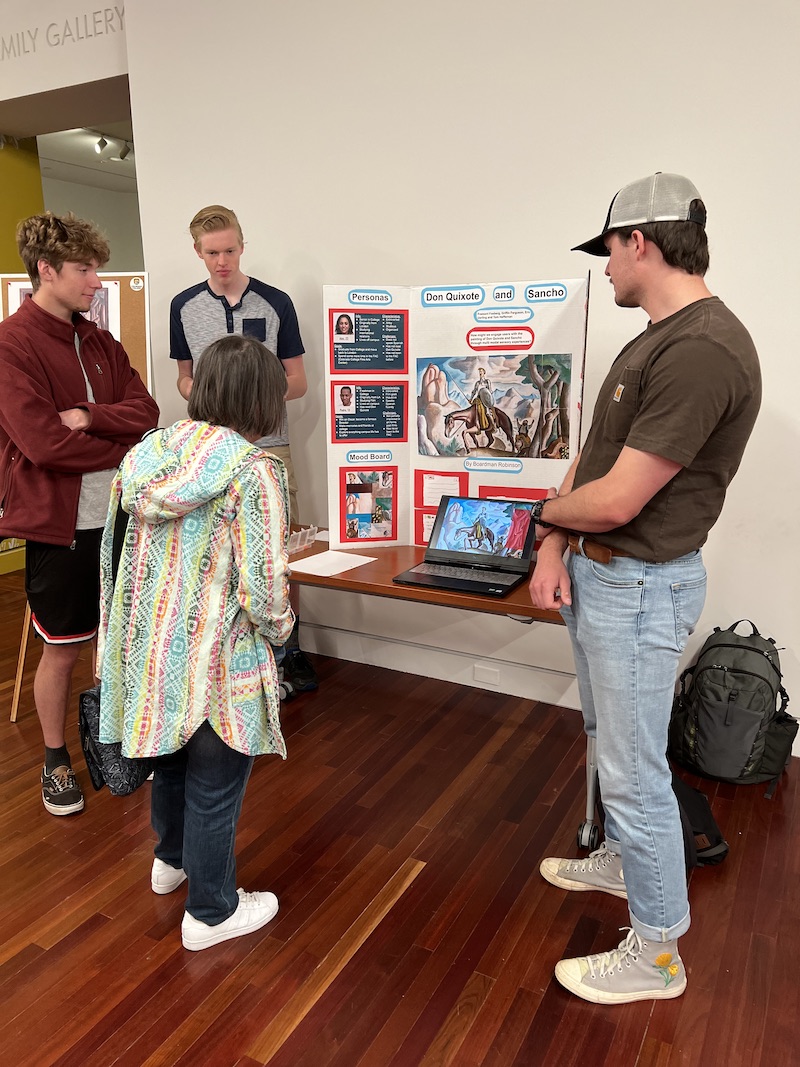
 For computer scientists, the word design is too often used exclusively in the context of code and architecture.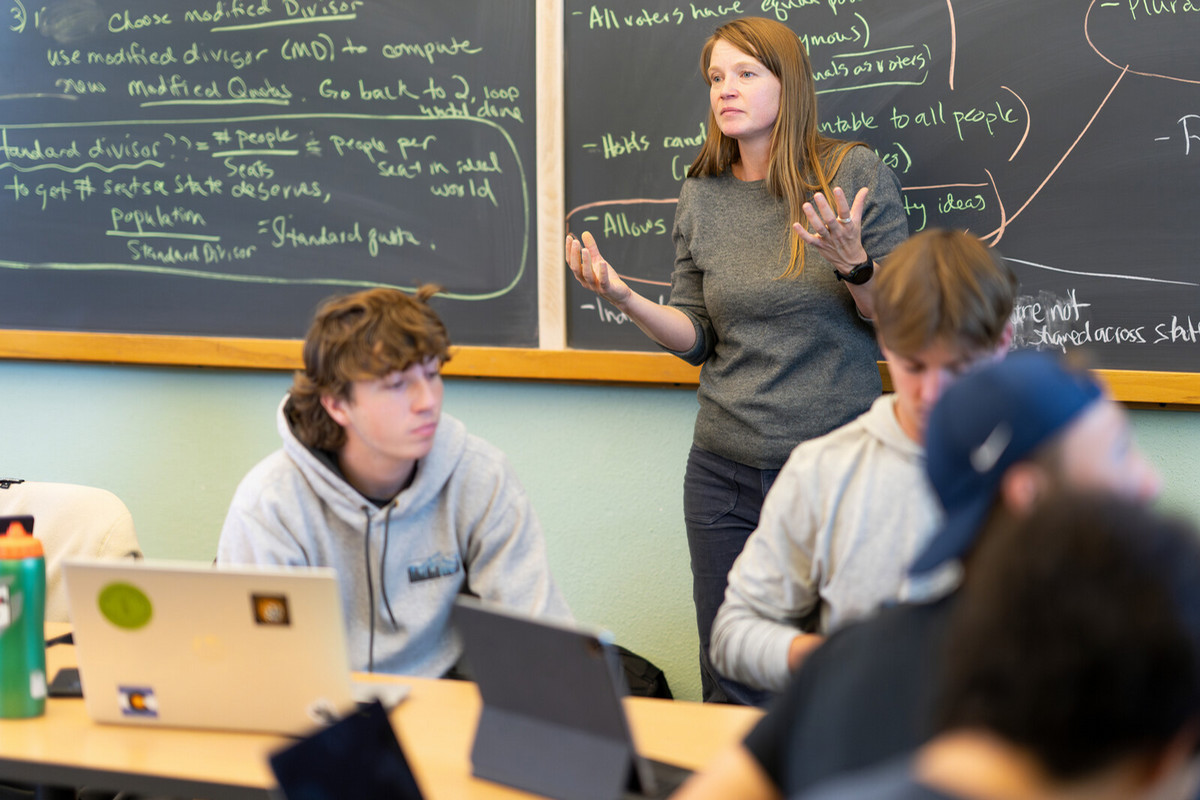
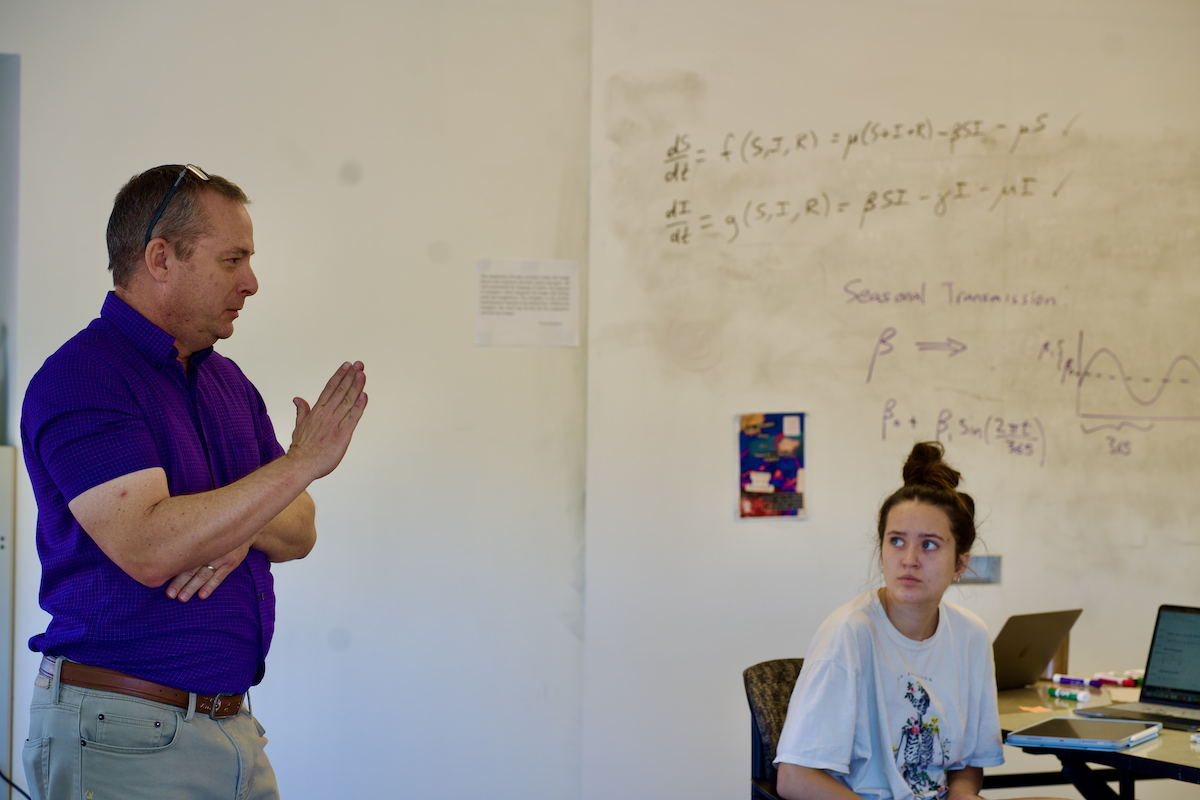
Beth Malmskog Awarded David and Lucile Packard Professorship
Read More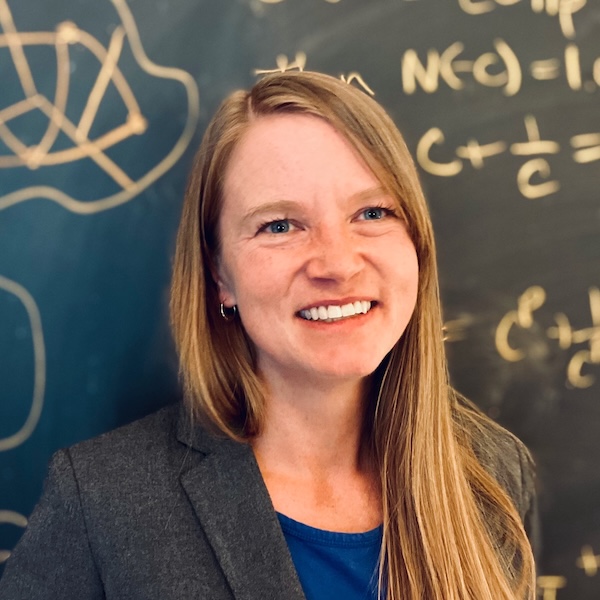

Mathematics and Computer Science
Our mission is to contribute to the liberal arts education of Colorado College students emphasizing logical, computational, and quantitative thinking. We strive to help all students develop an appreciation of the beauty, power, and responsibility of our disciplines. We understand the work of mathematicians and computer scientists as situated in a broader social context. Alongside technical skills, we value applying an interdisciplinary and humanistic lens to assessing the moral impacts of our work. Through research, we contribute to the growth of knowledge in our fields of study. Our goal is to teach the fundamental principles of our disciplines that allow students to adapt to our ever changing world. We foster a supportive and inclusive community of students, faculty, and staff, who share a passion for mathematics, computer science, and statistics.
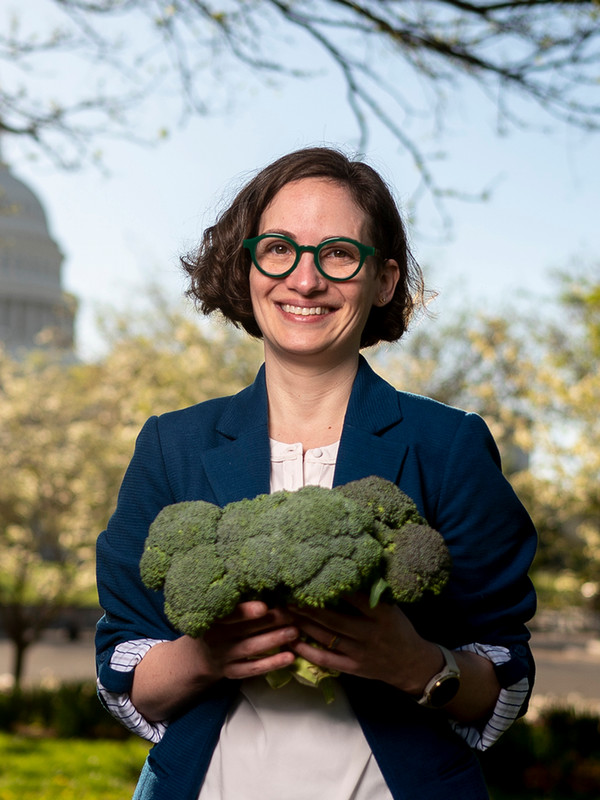
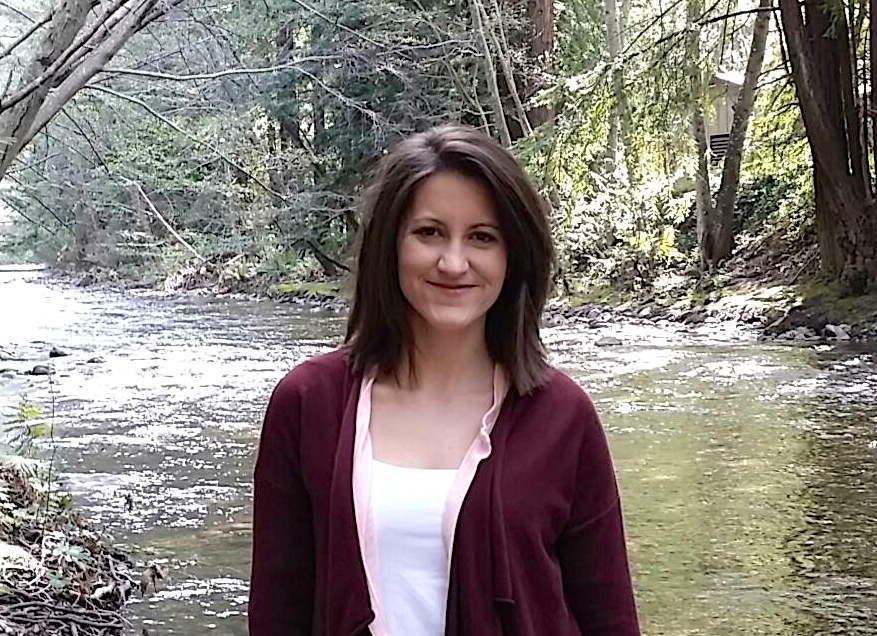
Pronouns: she/her
Graduation year: 2006
Hometown: Woodbridge, CT
Currently living in: Alexandria, VA and Clinton, NY
Current occupation: AAAS STPF fellow (2022-2023 in Congress; 2023-2024 at National Science Foundation) and Associate Professor of Mathematics at Hamilton College
What was your experience like at CC as a Math major?
I loved the Block Plan! I had dropped out of college after finishing my first year elsewhere before coming to CC. When I got here, I thought I might major in French, but then I took Calc 3 in my first block and my whole first year schedule changed to be almost all math and computer science. I realized I loved math (and loved being mad at math!) and enjoyed the teamwork it takes to make real mathematical discoveries on a tight timeline.
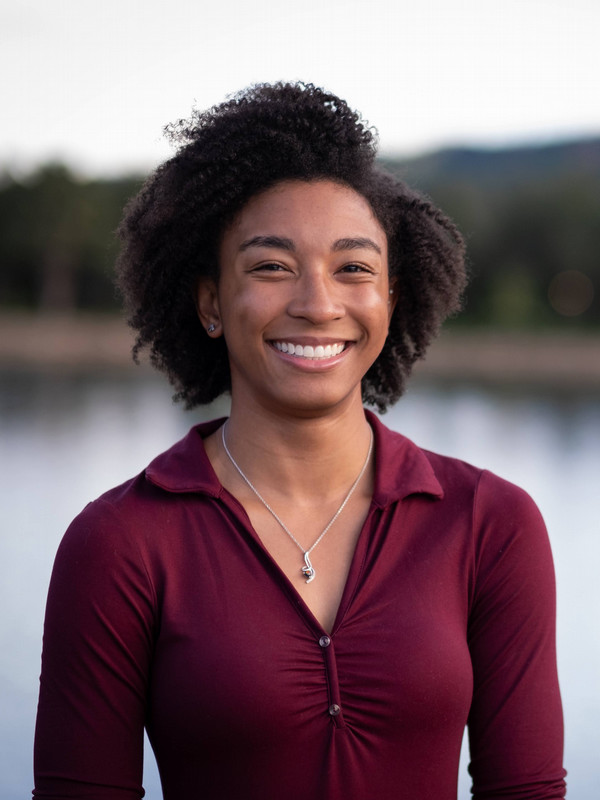
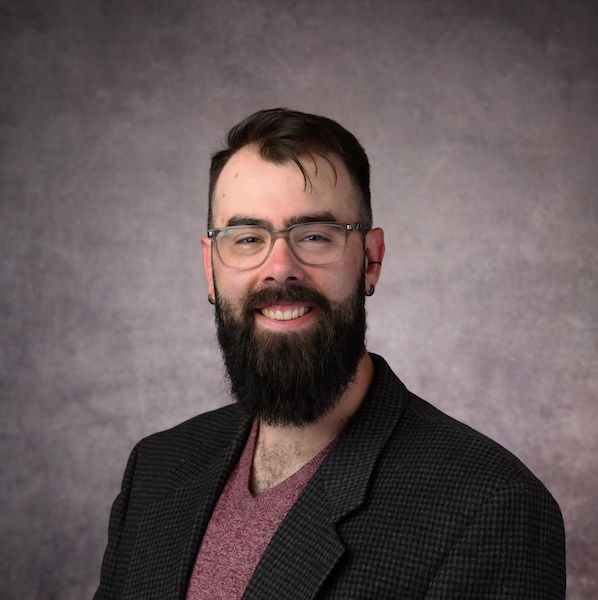
Pronouns: she/her
Graduation year: 2020
Hometown: Littleton, CO
Currently living in: Colorado Springs, CO
Current occupation: Robotic Process Automation Developer
What was your experience like at CC as a Computer Science major?
The relationships I formed from day one to graduation were a highlight of my experience. Classmates brought a wide variety of perspectives to all tasks and went out of their way to support each other. Staff and professors took the time, care, and energy to help me succeed and push myself every day. My academic experience was both rewarding and challenging in many ways. Intro-level courses helped introduce me to a different style of problem-solving than I couldn’t have experienced in any other discipline. Mid-level courses allowed me to explore aspects of software creation, project management, and sub-topics within the computing field. These classes were my favorite, as they allowed me to explore and apply my existing interests to classwork. Upper-level courses prepared me for post-college life by teaching me ways to adapt to challenges and dive deep into projects.
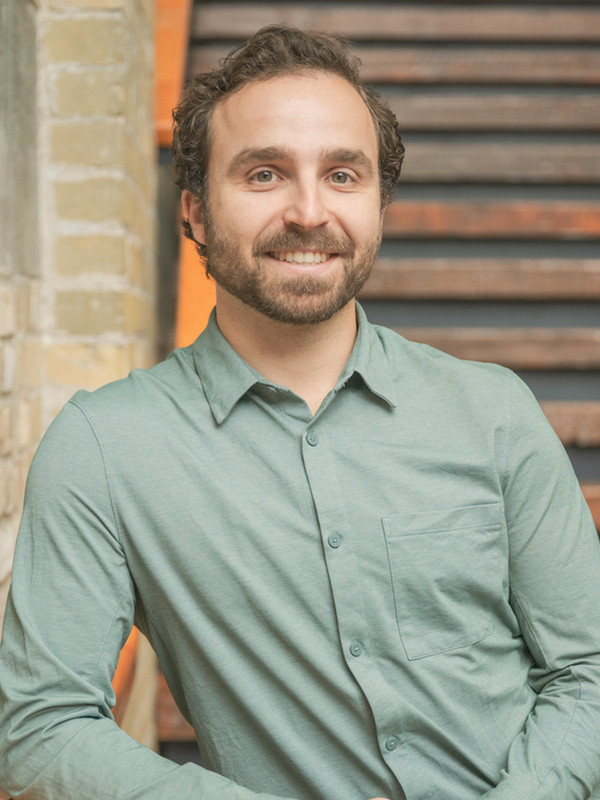
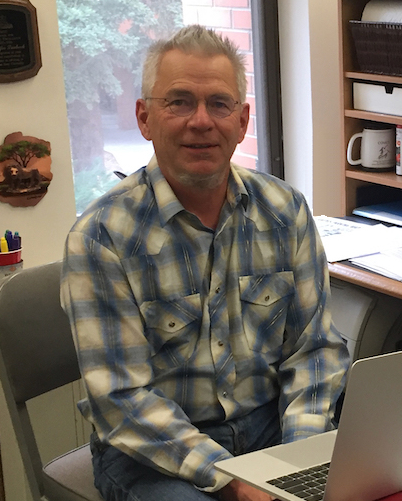
Pronouns: he/him
Graduation year: 2018
Hometown: Orinda, California
Currently living in: Chicago, Illinois
Current occupation: Senior Research Scientist at the Chicago Blackhawks
What was your experience like at CC as a Computer Science major?
Being a Computer Science major at CC was a great experience. The professors built relationships with each of the students and were always accessible for help. That access was very important for my development throughout the years of the program. Our group of classmates were very driven, focused, and fun to be around. Most of us took all the same blocks and learned how to study and work on projects together. They really made my time at CC enjoyable.
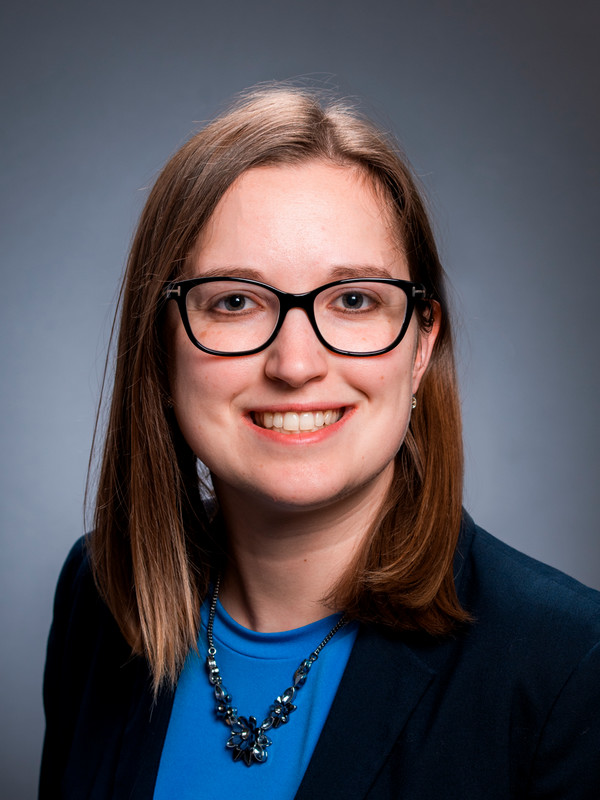
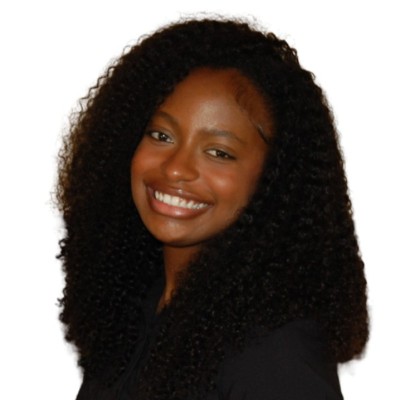
Pronouns: she/her
Graduation year: 2016
Hometown: Sharon, MA
Currently living in: Hoover, AL
Current occupation: Assistant Professor, Department of Biostatistics, University of Alabama at Birmingham (UAB)
What was your experience like at CC as a Math major?
Fun, challenging, and highly collaborative are three things that come to mind when I reflect on my experience as a Math major at CC. I have fond memories of working on problem sets with other students in the math lounge, participating in the math modeling contest, and having dinner at my professor Beth Malmskog’s house at the end of a block on cryptography (to name a few!). Between the Block Plan format of courses and the great teaching in the Math department, my experience as a Math major at CC prepared me well to think critically, present difficult mathematical concepts both orally and in writing, and conduct research. These were all skills that helped me succeed in graduate school.
We foster a supportive and inclusive learning community of faculty and students who share a passion for mathematics and computer science. It is our goal to provide a nurturing learning environment that stimulates growth and intellectual exploration.
Teaching. The block plan provides a framework for collaborative learning and innovative teaching. We offer a wide range of classes for non-majors and majors to explore our distinct but closely related disciplines. In our courses, we place an emphasis on mathematical and computational thinking, proof-writing and coding, and prepare students to tackle challenging problems that our modern world faces.
Scholarship. Our faculty are active scholars with diverse research interests in computer science and mathematics. Students often get involved in our research projects as summer research assistants. Many students present their work at professional conferences, and in some cases, summer research projects evolve into a senior thesis. Some faculty-student collaborations have even led to peer-reviewed publications with student co-authors.
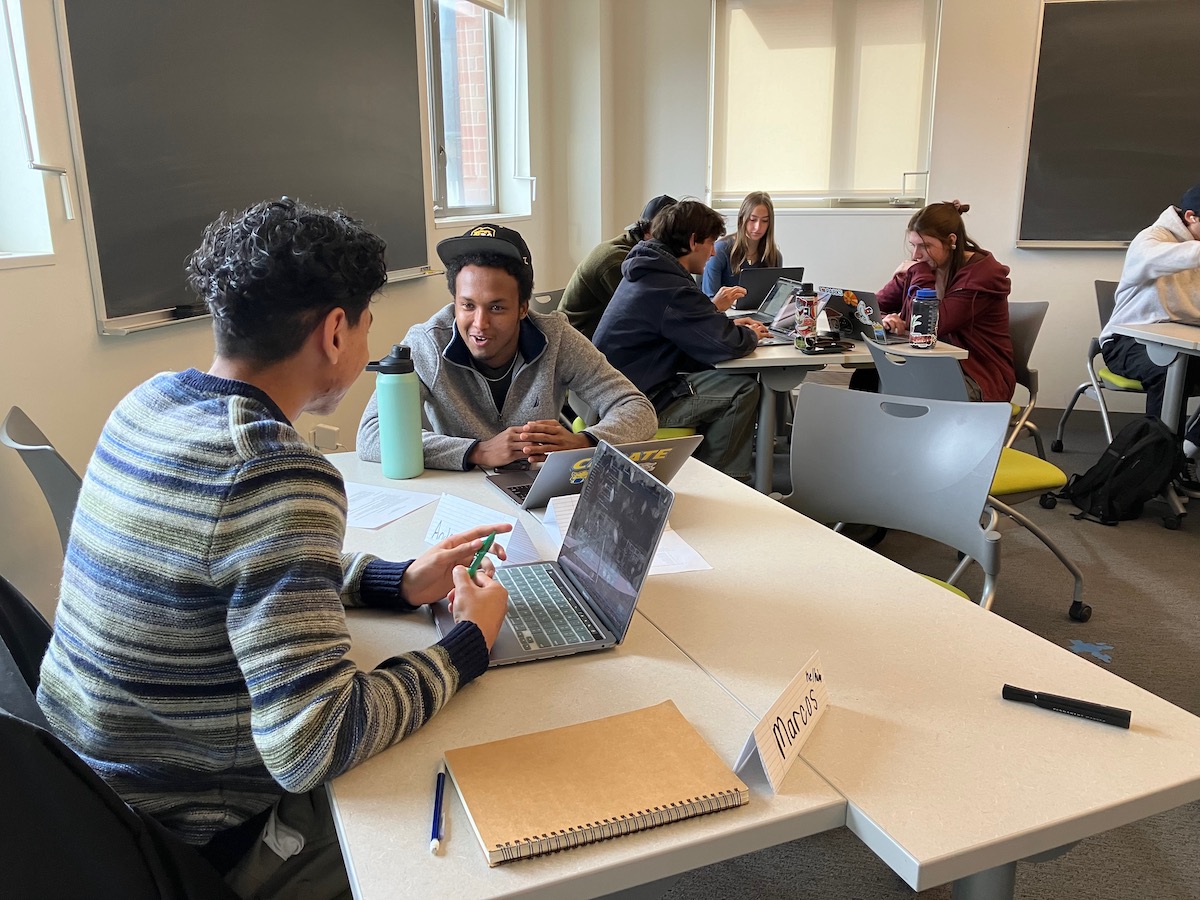
Community. We foster a lively and friendly community of scholars and learners in mathematics and computer science. The department sponsors a public lecture series (Fearless Fridays) and encourages all our students to participate and learn about computer science and mathematical ideas beyond the classroom. Department members are frequently invited to present at regional and national conferences and often serve on committees of professional organizations in their fields.

CC Math and Computer Science Departments
mathcschairs@coloradocollege.edu
Mailing Address
Department of Mathematics and Computer Science
14 E. Cache La Poudre St.
Colorado Springs, CO 80903
Address & Map
Other Links