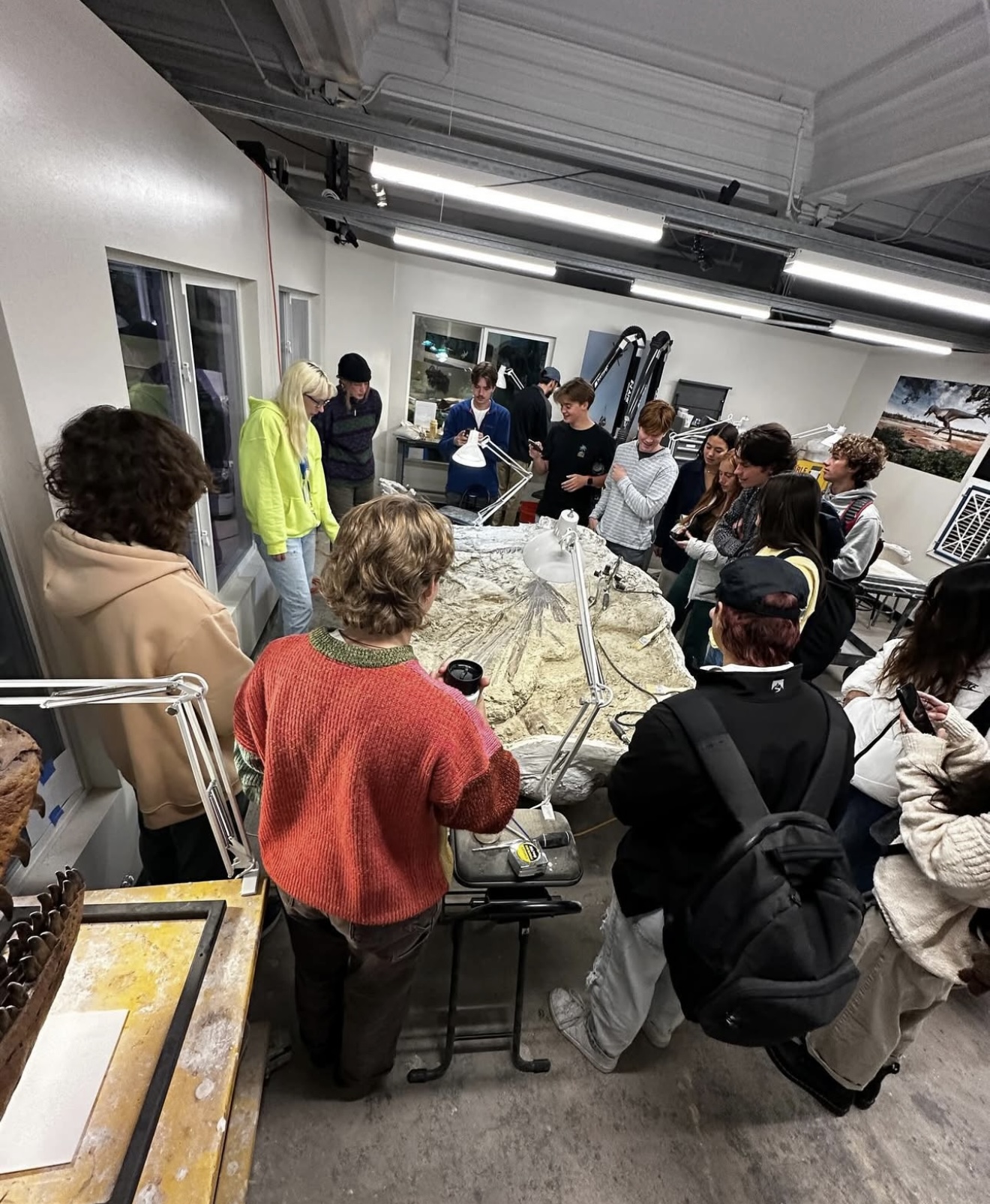

Earth science is popular among CC students. Many get to experience true hands-on learning while exploring communities. Last year, about 60 students in Spring 2025 got this experience during their Introduction to Earth Systems class.
“It has been exhilarating to introduce students to working in the field, travel to remote field sites, and feel the camaraderie of being in nature and studying—and appreciating—Earth history,” says Geology Professor Paul Myrow, who taught the class in Block 6, 2025. “Over the years I have taken students in GY140 to field sites in Texas, Colorado, New Mexico, and Utah. They get to learn how to ‘read’ the language of rocks in a manner similar to deciphering old text, but it all starts with observation, meaning that one trains one’s eyes to identify what is important for unraveling its history.”
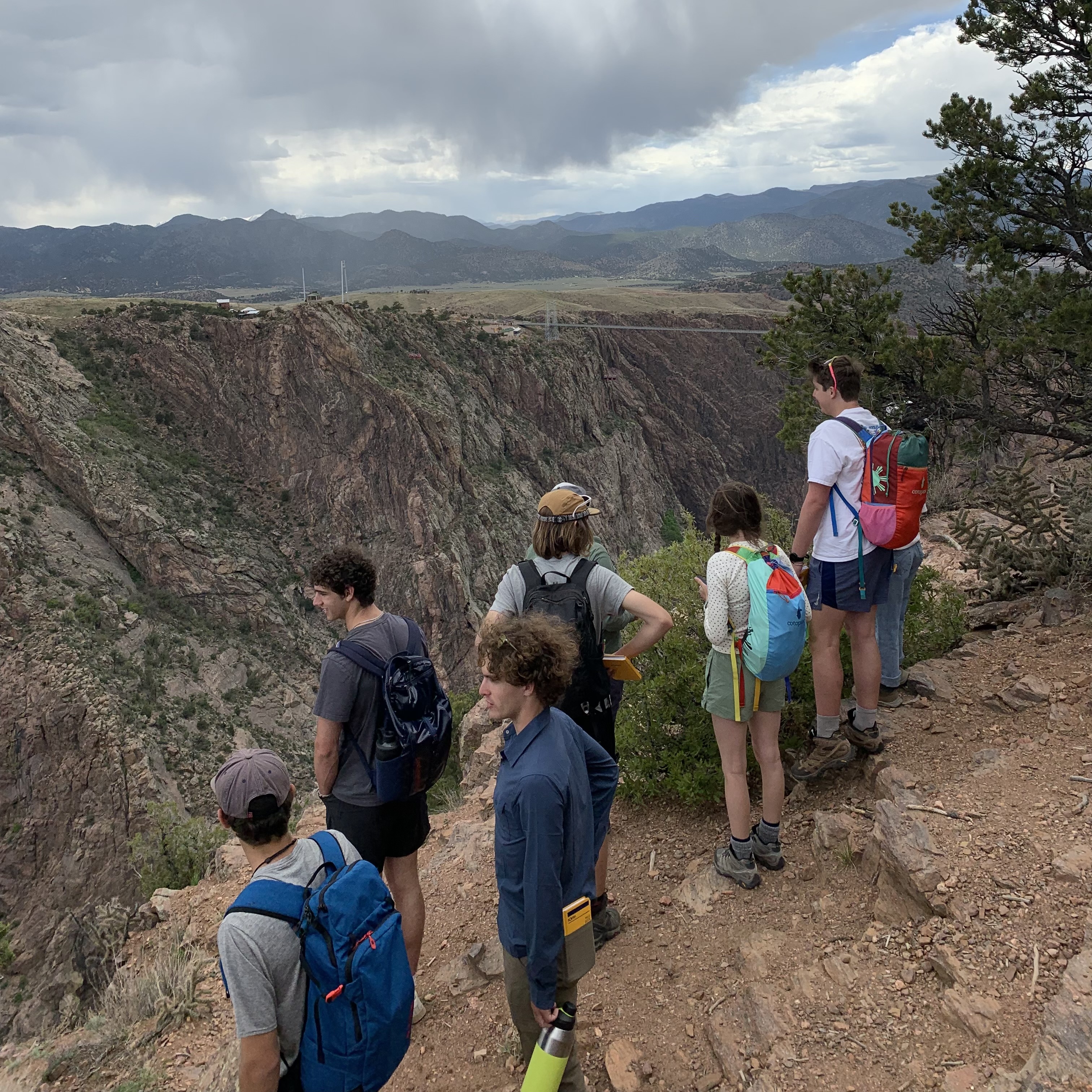
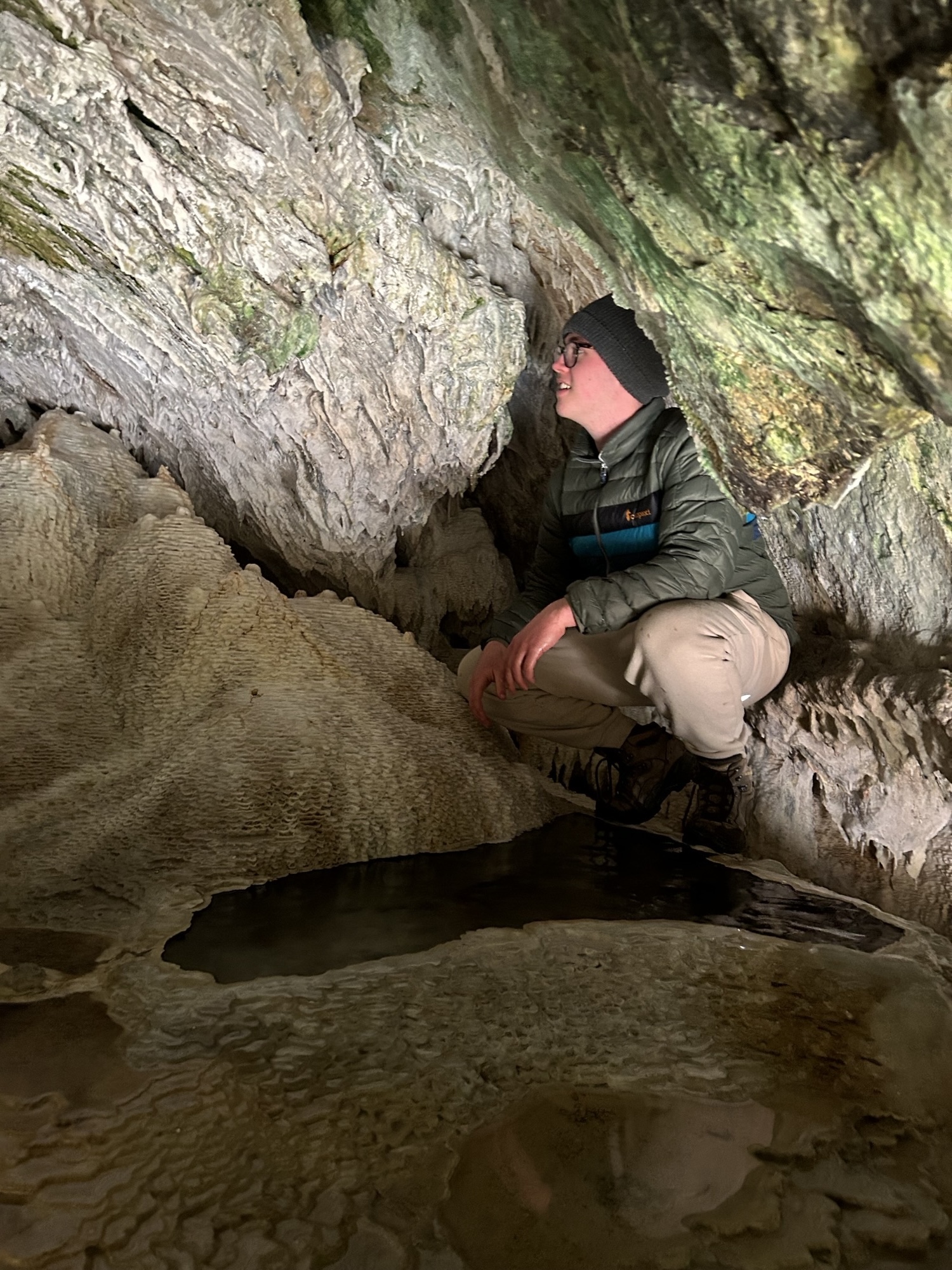
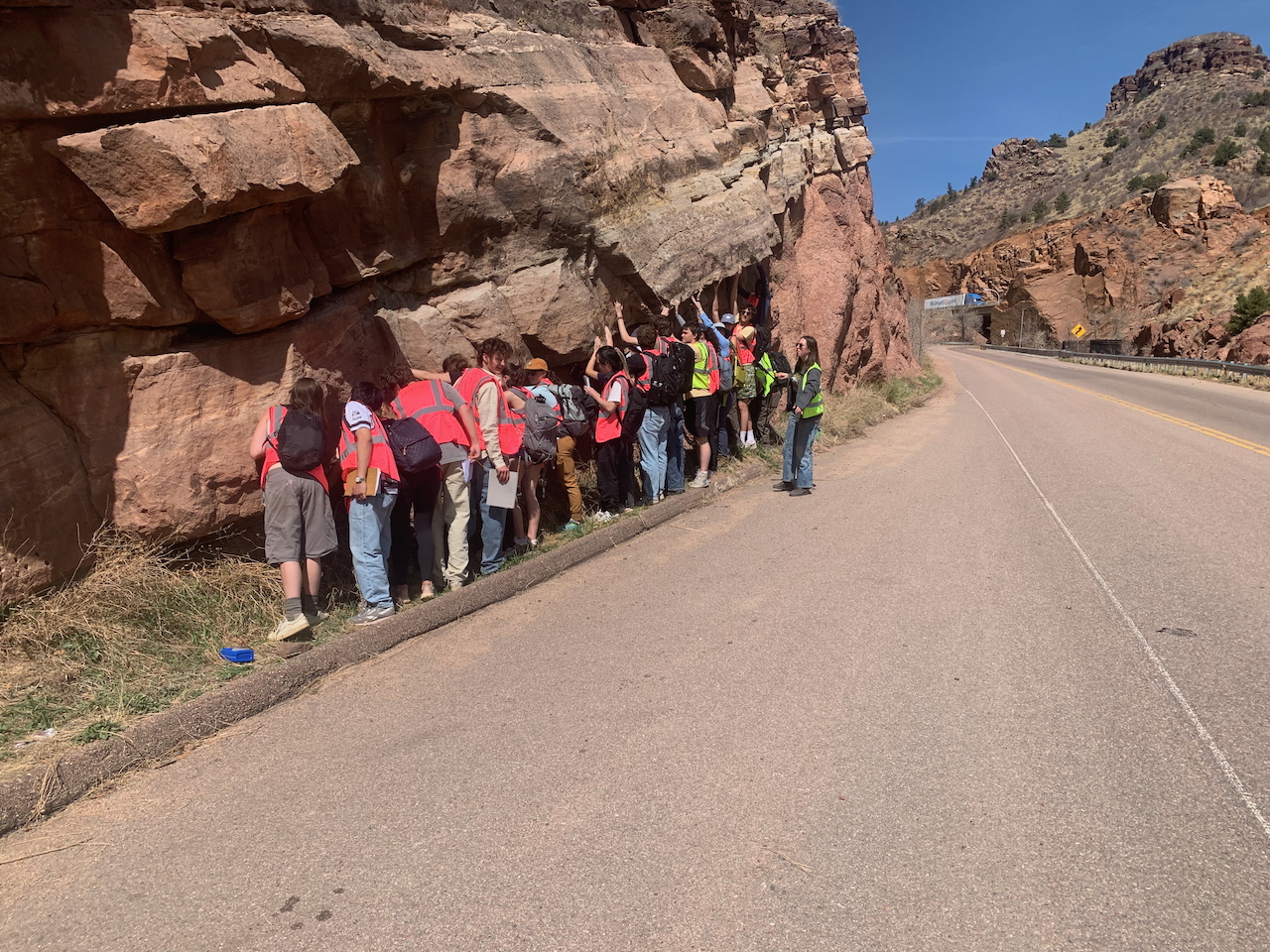
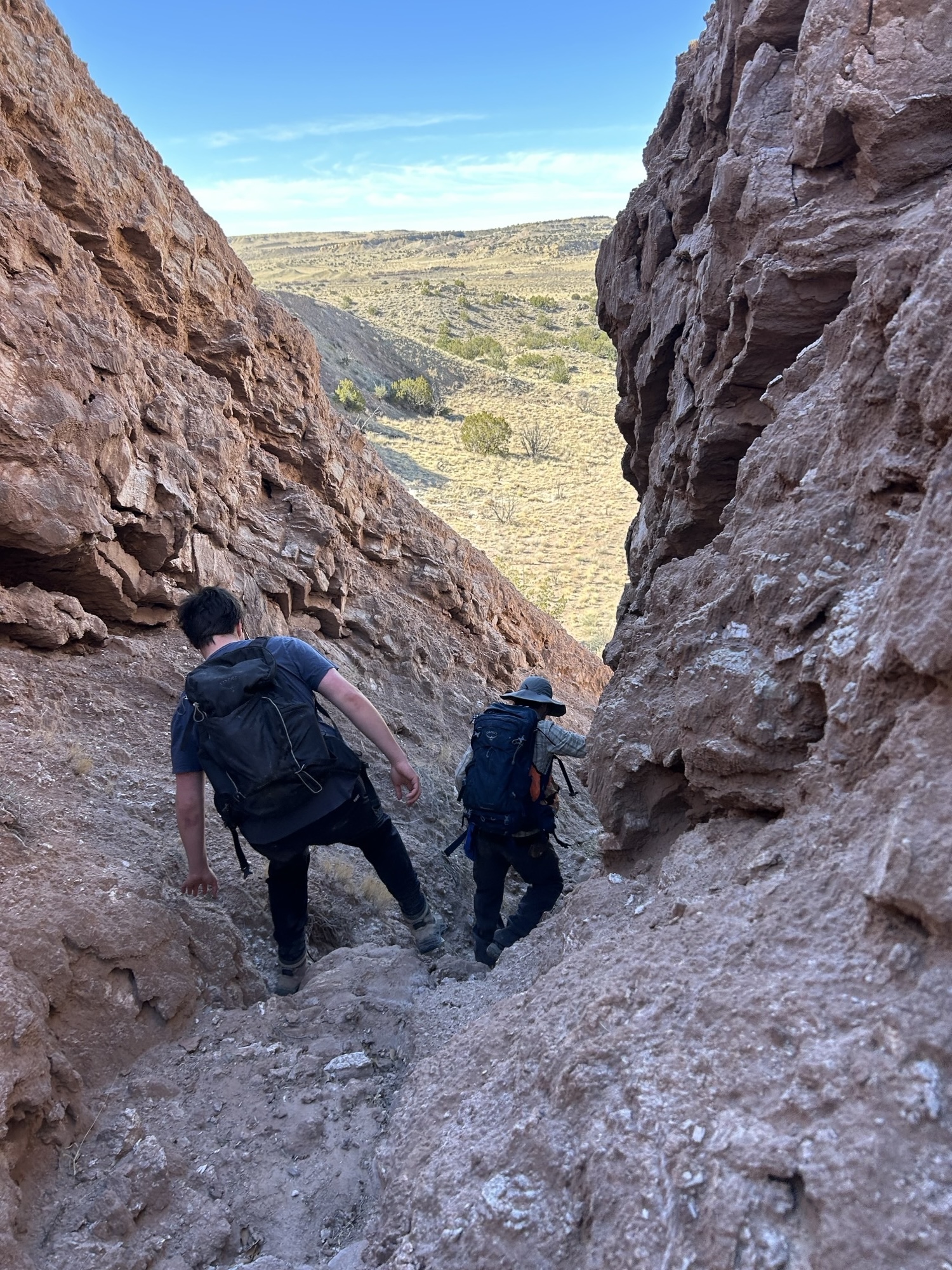
Students in Myrow’s Block 6 course participated in a four-day trip across Colorado, Utah, and New Mexico. Rather than sitting in a classroom and learning about the Earth from a textbook, Myrow ensured his students physically explored areas both around campus and out of state. Students in his most recent Introduction to Earth Systems class camped in a National Forest campsite and spent a night in the wild, where they did not have access to electricity or toilets.
“Having the opportunity to see and interact with the world we know through the lens we learned through was interesting and I am grateful to have had the experience,” says EJ Becker ’27, who took Myrow’s class. “Learning about how our planet is formed and then being able to translate that knowledge into my perception of the earth around me has been very interesting.”
“Experiential learning and immersive experiences are central to learning in Geology and Earth Systems, because the primary sources are not texts, nor human-created symbolic or graphic renderings,” says Geology Professor Christine Siddoway, who taught Introduction to Earth Systems in Block 7, 2025. “I hope the students develop an eye for features visible in rocks along the trails and roadways throughout Colorado, and wherever their travels take them in coming years. I hope they marvel at the power and impacts of Earth events, and Earth processes that we learn about in the course. An objective is for students to ‘see’ the geology that underlies the terrain and to enjoy making their own observations by looking at and thinking about rock features, wherever they are.”
Siddoway took her Block 7 class to the Rio Grande Rift, an active tectonic zone that passes through New Mexico and Colorado.
“GY140 is an earth science course, so my primary goal is to teach students how to make the right kinds of observations and interpretations in order to develop a history, or story, of what they are looking at,” says Geology Professor Henry Fricke, who taught the class in Block 8, 2025. “But I also want them to realize that what 'counts' as geology and earth science is super broad: they can study a mountain range and tell a story that covers billions of years, but they can also study an active river system and tell a story that only goes back a couple of months.”
Fricke usually takes his classes on several multi-night field trips, including to the Upper Arkansas River Valley and the San Luis Valley, while exploring the mountains in between.
“The class was very field trip intensive; we spent many days roaming around in the vans and stopping at various rock sites, many just on the side of the highway in seemingly the middle of nowhere,” says Perry Davis ’27, who took the class with Fricke. “Some spots would appear uninteresting but would turn out to have evidence of volcanoes or dinosaurs or something thrilling like that. I’ve never liked science because I always felt removed from it, but it was easy to be interested when I could see and hold every rock we talked about.”
Davis, who independently designed the major of Book Arts, appreciated how Fricke was able to relate geology to the topics the students were interested in.
“Henry often spoke to me about connections between earth science and the materiality of art,” Davis says. “He also used a book as an analogy for the layers of the earth, and this really stuck in my head.”